
How Modern Whitening Techniques Minimize Discomfort for Sensitive Teeth

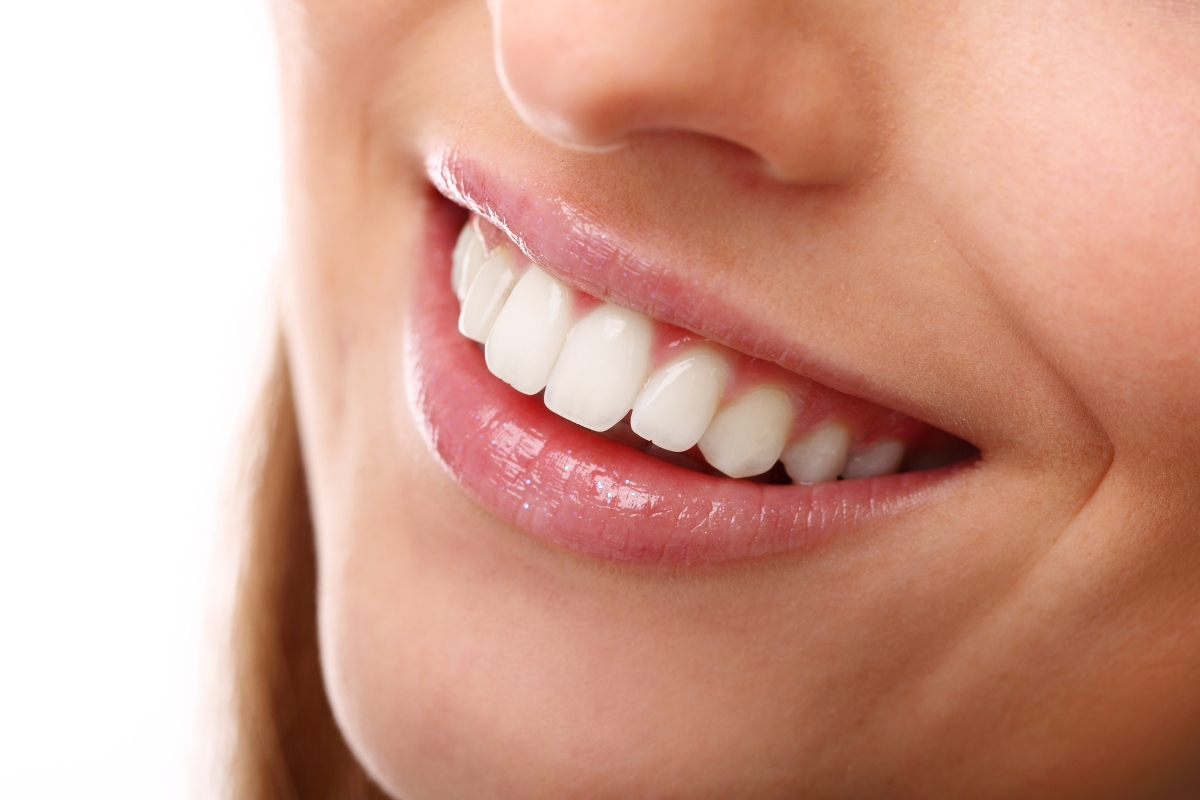
Teeth whitening is one of the most popular cosmetic dental solutions. The treatment not only gives a person a shinier smile but also makes them feel confident. But for many individuals, the thought of teeth whitening itself poses specific concerns. For example, tooth sensitivity has long been associated with teeth whitening. Today, teeth whitening has advanced to make this process pain-free.
If you are one of those individuals who have been reluctant to get your teeth whitening treatments due to concerns about tooth sensitivity, take comfort knowing that you are not alone. Thankfully, advances in cosmetic dentistry have led to improved tooth-whitening procedures for those with sensitive teeth. In this article, we shall see how these advancements can help you achieve a painless whitening procedure.
What Causes Tooth Sensitivity?
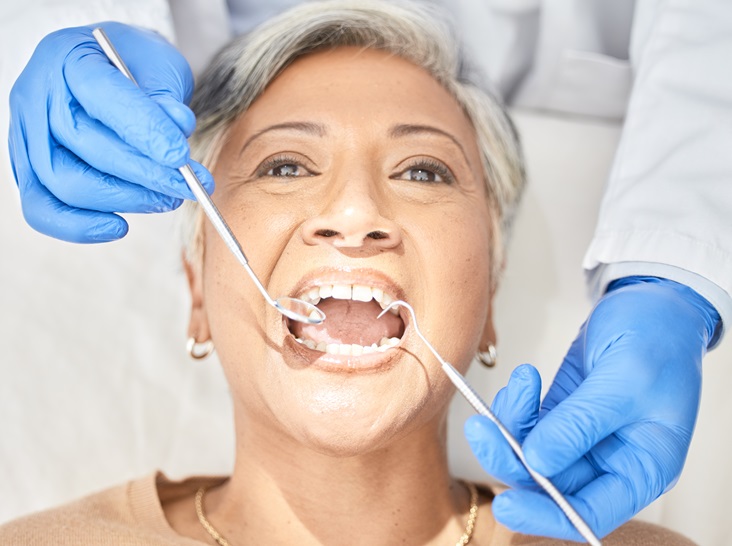
Before proceeding with the whitening procedures, it is necessary to address tooth sensitivity. Sensitive teeth occur when the hard outer layer of the tooth is worn away, exposing the dentin. This condition may cause discomfort when you eat or drink something very hot, very cold, or very sweet. In most cases, the concept of teeth whitening may give people second thoughts due to the potential sensitivity it may cause.
Nevertheless, with the proper strategy, cosmetic dentists can effectively address sensitivities that may result from whitening procedures, making the experience more pleasant for the individual.
Modern Teeth Whitening Techniques for Sensitive Teeth
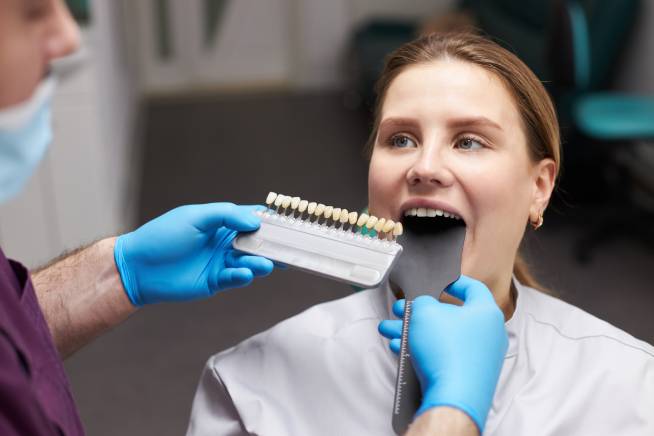
The techniques of teeth whitening in Addison, TX, are meant to be efficient and suitable for sensitive teeth. Among the significant developments in tooth whitening are advanced whitening gels and formulations. These new compositions have a lower peroxide content; consequently, they have a lower risk of tooth sensitivity during and after whitening treatments.
Furthermore, it has become more common to find additional ingredients in whitening products aimed at protecting enamel and gum tissues. These products contain ingredients with desensitizing properties, which, in essence, help numb sensitive areas, making the experience more comfortable for the user throughout the entire process. This applies to both professional and home whitening.
Tips for Reducing Sensitivity During Teeth Whitening
Although today’s whitening solutions are formulated to be less irritating to sensitive teeth, some simple guidelines will go a long way toward ensuring a comfortable experience when you begin the teeth-whitening process.
- Follow Post-Treatment Instructions: It is best to avoid extremely hot, cold, and/or acidic materials for a short period after treatment to reduce the risk of additional sensitivity.
- Choose a Softer Toothbrush: Using a soft-bristle brush can help minimize irritation of the sensitive gums and teeth during brushing, particularly after the whitening procedure.
- Use Toothpaste Specified For Sensitive Teeth: In the days leading up to and following your treatment, switch to the special toothpaste for sensitive teeth.
- Consider Desensitizing Products: Consult your dentist about over-the-counter products you can use before and after whitening treatments for sensitive areas.
- Shorten Your Whitening Regimen: If you have sensitive teeth, consider shorter whitening sessions or more frequent treatments, giving your teeth a break in between.
If you have been holding off on teeth whitening because of concerns about tooth sensitivity, it is time to let those concerns go. The technology used in teeth whitening has improved significantly, benefiting individuals with sensitive teeth. It is possible to achieve a dazzling, radiant smile with confidence.
Whiten Your Teeth with Confidence and Comfort
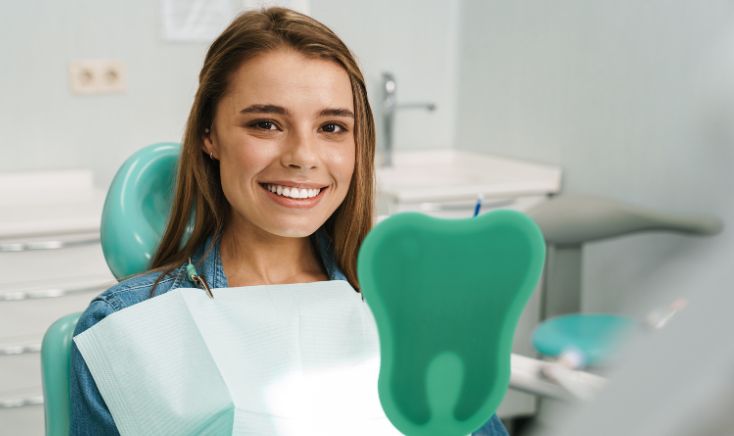
You deserve a smile that flashes confidence! Don’t let fear of sensitivity keep you from achieving your smile of choice. At the Addison Dental Group, we provide customized teeth-whitening solutions that address your concerns. Our staff will utilize cutting-edge methods to reduce sensitivity and maximize outcomes. From a touch-up to a complete teeth whitening, we will make sure that you are comfortable throughout the process.
Taking that initial step in realizing a brighter smile can be simple! Schedule a consultation with our team today and let us help you discover the power of a confident you. At our facility, we are here to walk you through every process involved in giving you a smile that not only looks great but feels great, too!
FAQs
1. Does teeth whitening cause permanent sensitivity?
Teeth whitening may cause temporary sensitivity, but it usually subsides within a few days. If sensitivity persists, consult your dentist to explore alternative treatments.
2. Can I whiten my teeth if I have sensitive teeth?
Yes, modern whitening techniques are specifically designed for people with sensitive teeth. A cosmetic dentist can recommend the best method to minimize discomfort.
3. How long does teeth whitening last?
The results of teeth whitening can last from 6 months to 2 years, depending on factors such as diet and oral hygiene habits.
4. Are there any side effects of teeth whitening?
The most common side effects of teeth whitening are temporary tooth sensitivity and mild gum irritation. These effects typically fade within a few hours to a few days.
5. Can I whiten my teeth at home if I have sensitive teeth?
Yes, there are over-the-counter whitening products designed for sensitive teeth. However, it’s best to consult your dentist to ensure you’re using the right product for your needs.