
Dental Bridges Carrollton TX
Dental Bridges Carrollton: Common Myths vs. the Real Facts
If you have a missing tooth, you may have already heard conflicting information about dental bridges. Some people assume they are painful. Others think they look fake or never last. As a patient considering dental bridges in Carrollton, you deserve accurate information — not guesswork. Dr. Tuan Chau and the team at Addison Dental Group are here to clear things up. Below, we tackle the most common misconceptions head-on with honest, straightforward answers.
Myth 1: Dental Bridges Carrollton Patients Get Are Obviously Fake-Looking
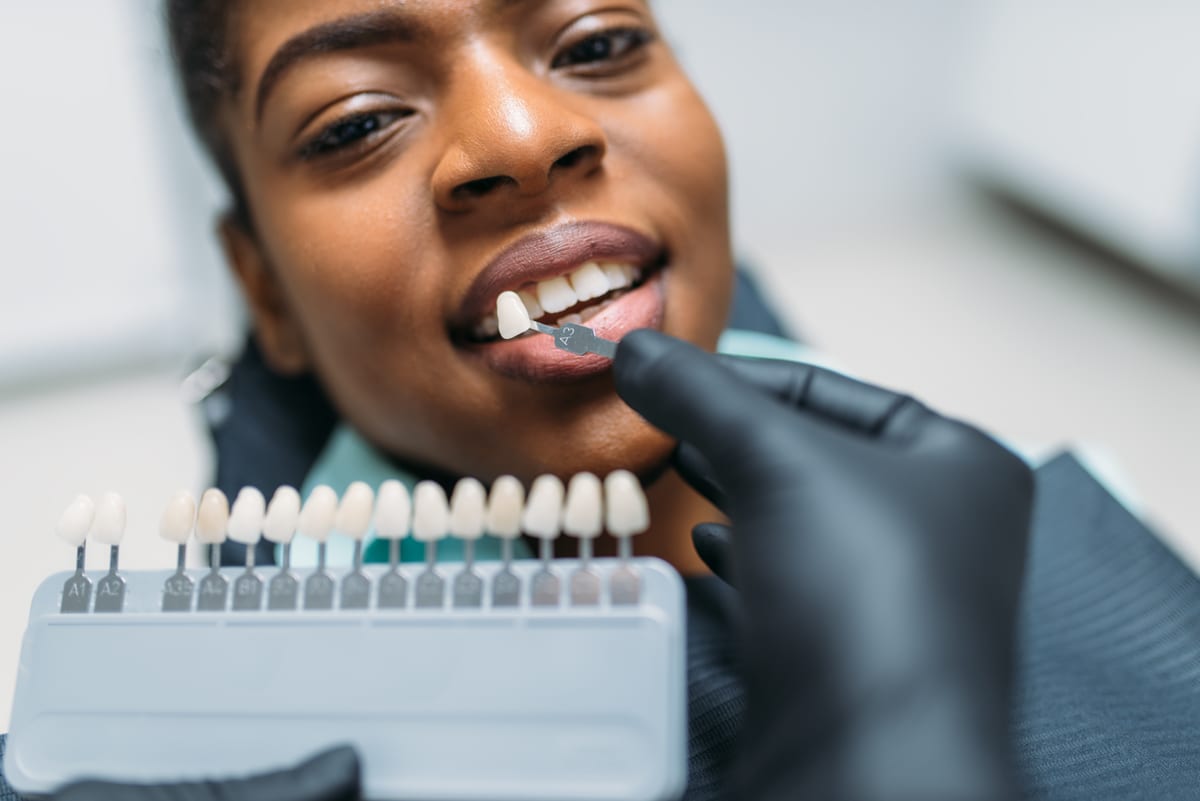
Many people picture bulky, unnatural-looking prosthetics when they hear the word ‘bridge.’ That image is outdated. Modern dental bridges are custom-crafted to match the shape, size, and shade of your surrounding teeth. Porcelain and ceramic materials mimic natural enamel extremely well.
Once placed, most people cannot tell the difference between a bridge and a natural tooth. Your smile looks complete and natural — not patched together. The craftsmanship used today is far superior to what was available even ten years ago.
At Addison Dental Group, aesthetics always matter. If you are also curious about other smile enhancement options, explore our cosmetic dentistry services to see how we approach smile makeovers.
Myth 2: Getting a Dental Bridge Is Extremely Painful
Fear of pain keeps many patients from seeking the care they need. This is completely understandable. However, the dental bridge procedure is performed under local anesthesia. You should feel little to no discomfort during treatment.
The process typically involves two appointments. During the first visit, Dr. Chau gently prepares the anchor teeth and takes impressions. A temporary bridge protects your teeth while the permanent one is crafted. At your second visit, the final bridge is placed and adjusted for a comfortable fit.
Some mild soreness after the procedure is normal. It usually fades within a few days. Most patients return to regular activities the very next day without any issue.
- Local anesthesia keeps you comfortable during preparation
- Temporary bridge protects teeth between appointments
- Final bridge is adjusted for a precise, comfortable fit
- Post-procedure soreness is mild and short-lived
Myth 3: Dental Bridges Carrollton Residents Choose Never Last Long
Another common myth is that bridges wear out quickly. In reality, a well-maintained dental bridge can last 10 to 15 years or longer. Longevity depends mostly on oral hygiene and regular dental visits. Neither is difficult to maintain.
Brushing twice daily and flossing under the bridge are essential habits. Special floss threaders or water flossers make cleaning beneath the bridge easy. These simple steps protect your investment significantly.
The materials used for bridges today are incredibly durable. Porcelain fused to metal and full-ceramic options both withstand normal biting forces well. Choosing an experienced dentist like Dr. Chau also ensures proper placement — a key factor in long-term success.
If you want to compare bridges to another long-lasting solution, our team can also walk you through dental implant restorations so you can weigh your options confidently.
Myth 4: You Only Need a Bridge for Cosmetic Reasons
Some patients think a missing tooth is purely a cosmetic concern. This is one of the most important myths to correct. A gap left by a missing tooth creates real functional and structural problems over time.
Neighboring teeth naturally drift toward the open space. This shifting can change your bite and affect how you chew. It can also lead to jaw pain, uneven wear on other teeth, and bone loss in the jaw over time.
- Adjacent teeth shift into the empty space
- Your bite alignment can be disrupted
- Chewing efficiency often decreases
- Jawbone density may decline without a tooth root present
- Speech clarity can sometimes be affected
A dental bridge addresses all of these concerns at once. It fills the gap, stabilizes neighboring teeth, and restores full chewing function. Treating the problem sooner protects your overall oral health in the long run.
Myth 5: Bridges and Implants Are Basically the Same Thing
Patients sometimes assume bridges and implants are interchangeable. They serve a similar purpose but work very differently. Understanding the distinction helps you choose the right option for your situation.
A dental bridge relies on the two teeth on either side of the gap — called abutment teeth — for support. Those teeth are shaped to hold the bridge in place. No surgery is required, and treatment is completed faster.
A dental implant, by contrast, is a titanium post surgically placed into the jawbone. It acts as a replacement tooth root. Implants do not rely on neighboring teeth and can prevent the bone loss that follows tooth loss. Both solutions are effective. The right choice depends on your bone health, budget, timeline, and personal preference. Dr. Chau will help you evaluate both options clearly and honestly.
Spring is a busy season in Carrollton — with graduation events, prom celebrations, and end-of-school activities in full swing. Many families are also booking pre-summer dental checkups right now. If you have been putting off addressing a missing tooth, this is a great time to finally act. Feeling confident in your smile matters every season.
What to Expect at Your Dental Bridge Consultation
Your first step is a thorough consultation with Dr. Tuan Chau. He will examine your teeth, take X-rays, and review your dental history. This visit helps determine whether a bridge is the right fit for you.
You will have a full conversation about your goals, comfort concerns, and timeline. No pressure, no rush. Dr. Chau believes informed patients make the best decisions. The team at Addison Dental Group serves patients from Carrollton and nearby communities including Addison and Farmers Branch.
We want every visit to feel comfortable and every question to be answered. Read what our patients say about their experience on our patient reviews page. Real stories from real people in our community.
Restoring your smile is about more than appearance. It is about eating comfortably, speaking clearly, and living confidently. When you have accurate information and a trusted dental team by your side, the decision becomes much easier. Book Now to schedule your appointment with our team.
Frequently Asked Questions
How long does it take to get a dental bridge?
Most dental bridges require two appointments spaced about two weeks apart. The first visit involves preparing the anchor teeth and taking impressions. The second visit is for placing and adjusting the permanent bridge. Total treatment time is relatively quick compared to other restorative options.
Will a dental bridge feel natural in my mouth?
Yes. Once you adjust to it — which usually takes a week or two — a bridge feels much like your natural teeth. You can eat, speak, and smile normally. Dr. Chau carefully adjusts the fit so the bridge does not interfere with your bite.
How do I clean under a dental bridge?
Standard floss does not slide under a bridge easily. Most patients use a floss threader, dental tape, or a water flosser to clean beneath the bridge effectively. Dr. Chau’s team will demonstrate proper technique at your appointment so you feel confident caring for it at home.
Can anyone get a dental bridge, or are there requirements?
Most adults with one or more missing teeth and healthy neighboring teeth are good candidates. However, the anchor teeth must be strong enough to support the bridge. Dr. Chau will evaluate your oral health thoroughly before recommending any treatment plan.
Is a dental bridge better than a denture for a single missing tooth?
For a single missing tooth, a bridge is usually preferred over a partial denture. Bridges are fixed in place and do not need to be removed. They tend to feel more stable and natural for most patients. Dr. Chau can help you compare all options based on your specific situation.