
Teeth Cleaning Stain Removal in Carrollton, TX


If you have ever left a dental cleaning feeling surprised by the results, you are not alone. Many patients in the Addison area wonder what your teeth cleaning can and cannot remove before they even sit in the chair. Understanding the difference helps you set realistic expectations. It also helps you make smarter decisions about your smile going forward.
A professional cleaning is one of the most valuable tools in dentistry. However, it does have limits. Not every stain responds to a cleaning alone. Dr. Tuan Chau and the team at Addison Dental Group want you to feel informed and confident at every visit.
What a Professional Teeth Cleaning Actually Does in Addison
A professional cleaning does much more than polish your teeth. Your hygienist removes plaque and hardened tartar that your toothbrush simply cannot reach. This process protects your gums and prevents cavities from forming between visits.
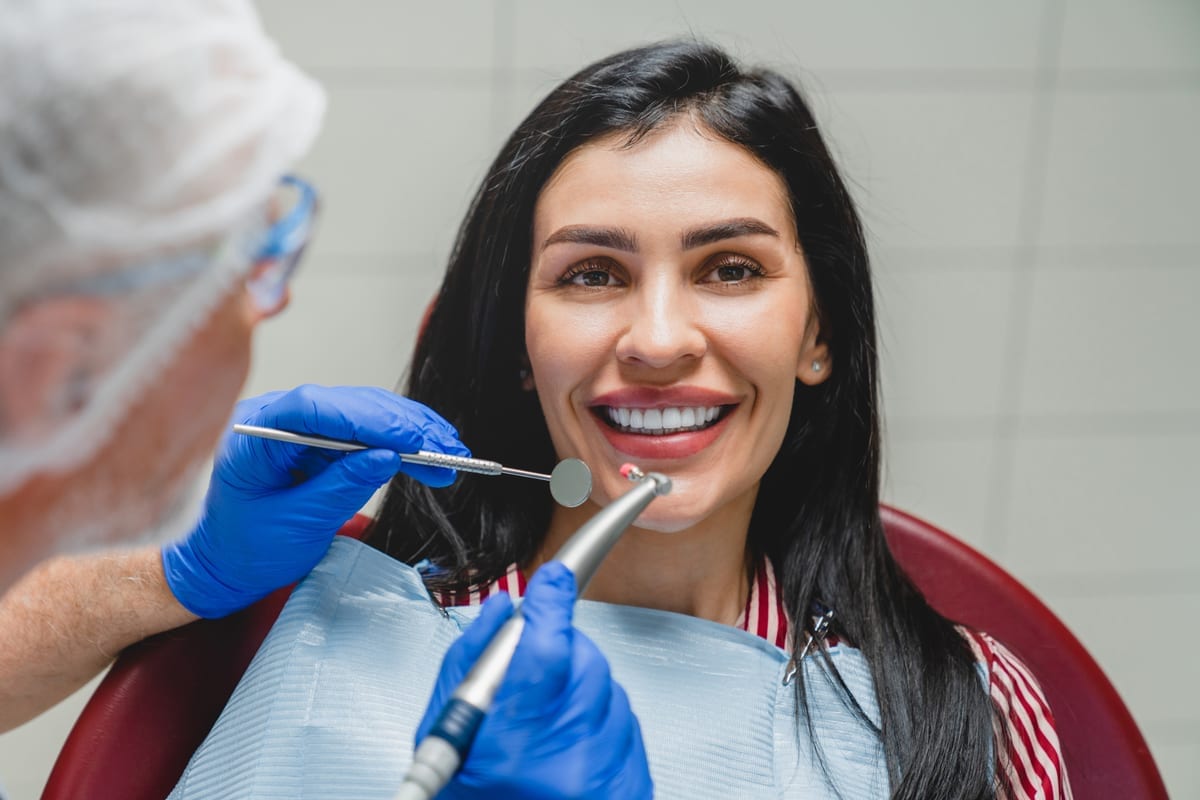
During a standard cleaning, your hygienist uses specialized tools to scrape tartar from the tooth surface and below the gumline. They then polish your teeth with a slightly gritty paste. This polishing step buffs away light surface stains caused by everyday foods and drinks.
Here is what a routine cleaning can typically remove:
- Soft plaque buildup along the gumline
- Hardened tartar deposits on tooth surfaces
- Light surface stains from coffee, tea, and red wine
- Minor discoloration caused by food pigments
- Bacterial film that contributes to bad breath
These results alone make regular cleanings worthwhile. Most patients notice their teeth look brighter immediately after a cleaning. That brightness comes from removing the layer of buildup that was dulling the enamel.
Surface Stains vs. Deep Stains: What Cleanings Cannot Fix
Not all stains sit on the outer layer of your teeth. Some stains live deep inside the tooth structure itself. A cleaning can only address what sits on or near the enamel surface.
Intrinsic stains develop inside the tooth. These often result from certain medications, fluorosis, aging, or trauma to the tooth. No amount of polishing will lift these stains because they are not on the surface at all.
Extrinsic stains form on the outside of the tooth. These respond better to cleaning and whitening. However, even heavy extrinsic staining may not fully disappear from a standard cleaning alone.
Common stains that a cleaning typically cannot remove include:
- Deep yellow or brown staining from years of tobacco use
- Gray or dark discoloration caused by old root canal treatment
- Stains caused by tetracycline antibiotics taken during childhood
- White spots or banding from fluorosis
- Natural darkening of teeth that comes with age
It is important to recognize these limits early. When a cleaning does not produce the whiteness you hoped for, that is not a failure. It simply means a different approach is needed.
When Teeth Whitening Makes More Sense Than Cleaning
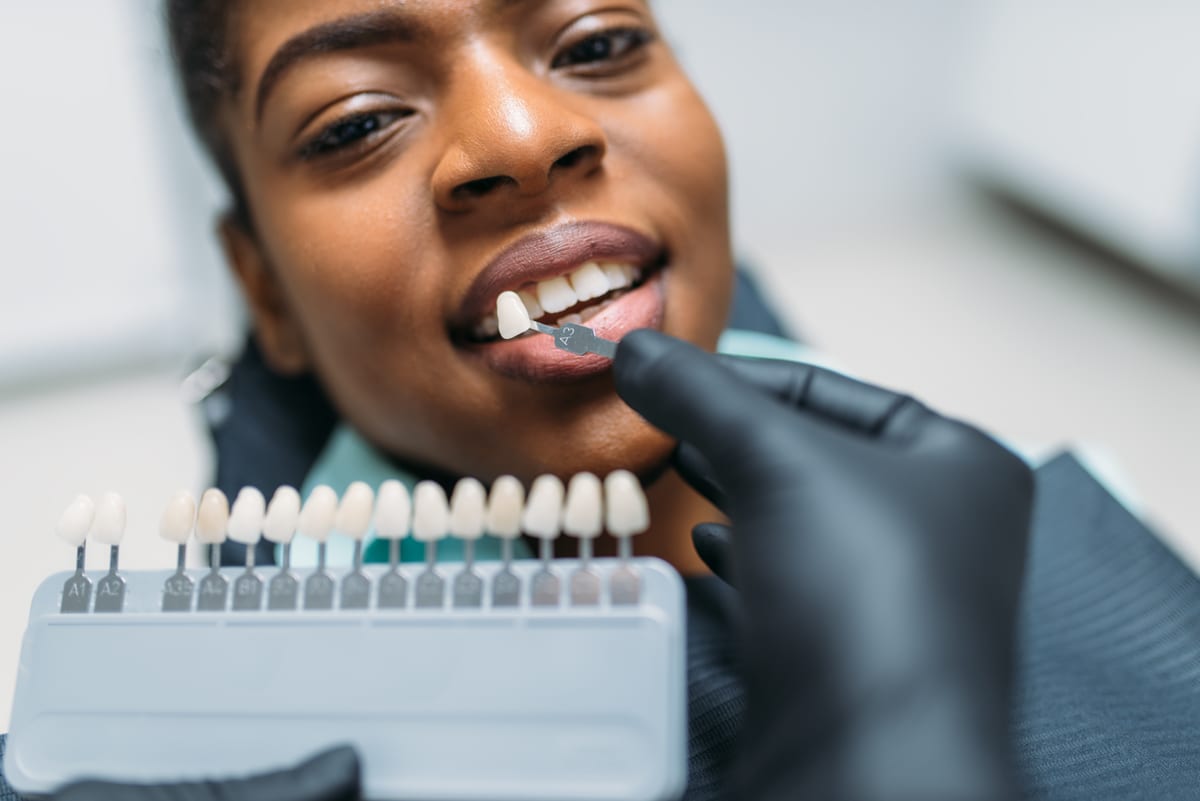
Professional whitening treatments work differently than a cleaning. They use peroxide-based agents that penetrate the enamel. This process breaks up pigment molecules that sit deeper in the tooth structure.
If you have moderate to heavy extrinsic staining, whitening may be the logical next step after your cleaning. Your hygienist will often suggest this if polishing alone does not achieve the result you want. Starting with a clean surface actually makes whitening more effective.
For stains that go even deeper, Cosmetic Dentistry solutions like veneers or bonding may be the best path forward. These options cover or replace the visible surface of the tooth entirely. Dr. Tuan Chau can walk you through which approach fits your specific situation.
It helps to share your smile goals openly during your appointment. The more your dental team understands what you want, the better they can guide you toward the right solution.
What to Expect at Your Teeth Cleaning Visit in Addison
Knowing the steps ahead of time makes the experience far less stressful. A typical cleaning appointment at Addison Dental Group follows a predictable sequence. You will feel more relaxed when you know what is coming.
Here is what most patients experience during a routine cleaning:
- Health review: Your hygienist reviews your medical history and any changes since your last visit.
- Examination: The hygienist checks for signs of gum disease, cavities, or other concerns.
- Scaling: Tartar and plaque are carefully removed from all tooth surfaces.
- Polishing: A gritty paste removes light surface stains and smooths the enamel.
- Flossing: The hygienist cleans between teeth and checks for any problem areas.
- Rinse: A fluoride rinse or treatment may finish the appointment.
The entire process usually takes between 45 and 60 minutes. If it has been a while since your last visit, the scaling step may take longer. That is completely normal and nothing to worry about.
If your hygienist notices anything concerning during the exam, they will let you know. Issues like deep decay or infection may require follow-up care such as Root Canals or other restorative treatment. Catching problems early always leads to simpler and less costly solutions.
How to Maintain Your Results Between Visits
What you do at home between appointments has a direct impact on staining. Strong-pigmented beverages like coffee, tea, and soda cling to enamel over time. Rinsing with water after drinking these beverages slows down stain buildup.
Brushing twice daily with a whitening toothpaste can help manage light surface stains between cleanings. Using a soft-bristled brush protects your enamel while still being effective. Flossing daily removes plaque from spaces where stains also tend to develop.
Tobacco use is one of the most aggressive causes of dental staining. It also significantly increases your risk of gum disease and oral cancer. Quitting or reducing tobacco use will protect both the appearance and health of your teeth.
Scheduling cleanings every six months gives your dental team the chance to catch new buildup before it becomes stubborn. Consistent care is always easier than catching up after months of missed visits.
Conclusion
Understanding what your teeth cleaning can and cannot remove in Addison empowers you to make better choices for your smile. A cleaning is a powerful preventive tool that removes plaque, tartar, and light surface stains. However, deeper discoloration requires a different approach. Dr. Tuan Chau and the Addison Dental Group team are here to help you find the right path to the smile you want. Book Now to schedule your appointment with our team.
Frequently Asked Questions
Will my teeth look whiter after a professional cleaning?
Most patients do notice a brighter appearance after a cleaning. Removing plaque, tartar, and light surface stains reveals the natural color of your enamel. However, if your teeth are deeply discolored, whitening treatments may be needed to achieve a noticeably lighter shade.
How often should I get my teeth cleaned in Addison?
Most adults benefit from a professional cleaning every six months. Patients with gum disease, heavy buildup, or other concerns may need more frequent visits. Dr. Tuan Chau will recommend a schedule that fits your specific oral health needs.
Can a cleaning remove tobacco stains from my teeth?
A professional cleaning can reduce light tobacco stains, but heavy or long-term tobacco staining often requires whitening treatment or cosmetic options. The longer stains have been present, the harder they are to remove with cleaning alone.
Is teeth polishing during a cleaning safe for my enamel?
Yes, professional polishing is safe when performed by a trained hygienist. The paste used is mildly abrasive and designed to remove surface debris without harming your enamel. Your hygienist will use the appropriate technique based on your individual tooth sensitivity.
What is the difference between a regular cleaning and a deep cleaning?
A regular cleaning removes plaque and tartar from above and just below the gumline. A deep cleaning, also called scaling and root planing, goes further below the gumline to treat gum disease. Your hygienist will recommend a deep cleaning if signs of periodontal disease are present.