
Why Every Dentist Says Six Months—But Your Teeth Might Disagree


You have probably heard it your whole life: see your dentist every six months. It sounds simple and universal. But why every dentist says six months—but your teeth might disagree in Carrollton is a conversation worth having. The truth is, this recommendation has real science behind it—and real exceptions that many patients never hear about.
At Addison Dental Group, Dr. Tuan Chau believes informed patients make better decisions about their oral health. So let us break down where this rule came from, when it fits, and when your mouth may be telling a different story.
Where Did the Six-Month Rule Come From in Carrollton?
The twice-yearly dental visit became standard practice in the mid-20th century. Early dental associations promoted it as a simple, memorable guideline. It was easy to advertise and easy for patients to follow.
However, the evidence base was thin at the start. Researchers have revisited this recommendation many times since then. A landmark review published in the Cochrane Database found no strong evidence that six months is universally ideal for every patient.
That does not mean the guideline is wrong. For many healthy adults, a six-month schedule works very well. It allows your dental team to catch early decay, monitor gum health, and perform professional cleanings before small problems grow.
Think of it as a smart default—not a one-size-fits-all prescription. The right interval for you depends on your unique oral health profile.
Who Actually Benefits From More Frequent Visits?
Some Carrollton patients genuinely need to come in every three or four months. Certain conditions make more frequent care not just helpful but necessary. Skipping extra visits when you fall into these categories can lead to serious complications.
Here are common situations that call for more frequent dental checkups:
- Active gum disease (periodontitis): Bacteria re-colonize below the gumline quickly. More frequent cleanings slow this process significantly.
- Diabetes: High blood sugar weakens the immune response in gum tissue. Diabetic patients face higher infection risks and benefit from closer monitoring.
- Dry mouth (xerostomia): Saliva neutralizes acid and washes away bacteria. Without enough saliva, decay accelerates rapidly.
- Heavy smoking or tobacco use: Tobacco dramatically increases gum disease and oral cancer risk. Frequent exams allow earlier detection.
- History of frequent cavities: If you consistently develop new decay, your mouth needs more attention between visits.
- Undergoing orthodontic treatment: Brackets and wires trap plaque. Extra cleanings reduce the risk of white-spot lesions forming around brackets.
- Compromised immune systems: Patients on certain medications or undergoing chemotherapy are more vulnerable to oral infections.
If any of these apply to you, Dr. Chau can build a personalized schedule. Your checkup interval should match your actual risk level—not a calendar on a toothpaste box.
Why Some Patients Can Actually Wait Longer Between Visits
Here is the flip side of this conversation. Some low-risk patients may not need to come in every six months. Adults with excellent home care, stable gum health, and no history of decay can sometimes extend to yearly visits.
Research suggests that in these low-risk individuals, annual checkups carry no measurable increase in dental problems. This is not a green light to skip care altogether. It simply means your schedule should reflect your individual risk—not a blanket rule.
However, identifying yourself as low-risk requires a professional assessment. You cannot self-diagnose your own risk category reliably. Many patients are surprised to discover early gum disease or enamel erosion they had no idea was forming.
The only way to know your true risk level is to have Dr. Chau evaluate your full oral health picture. From there, you can make a confident, informed decision together.
What Happens at a Dental Checkup Beyond Cleaning?
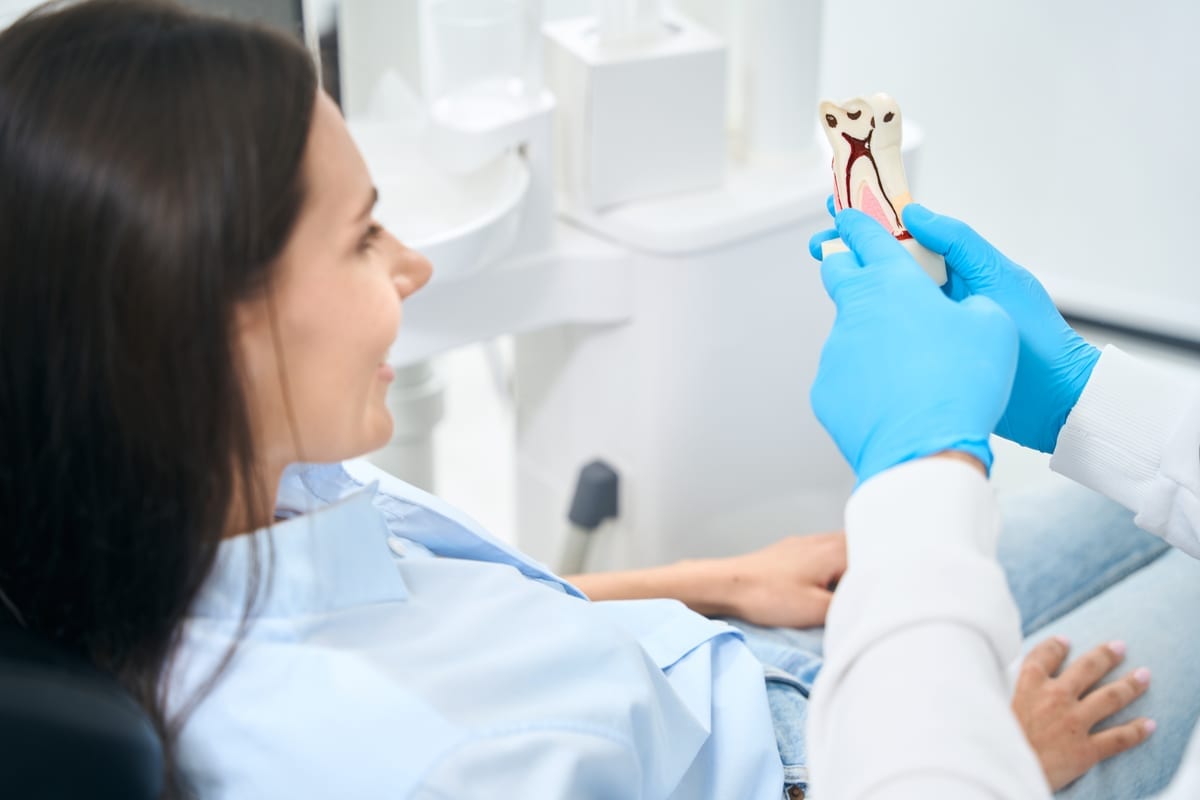
Many patients think a checkup is simply a cleaning and a quick look around. In reality, a comprehensive dental visit covers much more. Understanding what your team examines helps you appreciate why regular visits matter—regardless of your interval.
Here is what a thorough checkup at Addison Dental Group typically includes:
- Oral cancer screening: Dr. Chau checks soft tissues, the tongue, and throat for unusual changes. Early detection dramatically improves outcomes.
- Periodontal assessment: Gum pocket depths are measured to detect bone loss or inflammation around teeth.
- X-rays (as needed): Digital images reveal decay between teeth and below the gumline that a visual exam cannot catch.
- Bite and jaw evaluation: Grinding patterns and TMJ symptoms can signal problems before pain develops.
- Restorative review: Existing fillings, crowns, and bridges are checked for wear, cracks, or fit issues.
- Personalized home-care coaching: Your hygienist reviews brushing and flossing technique specific to your anatomy.
Beyond cleanings, your visit is a diagnostic opportunity. It connects directly to other treatments you may need down the road—from Cosmetic Dentistry Carrollton patients love to Root Canals Carrollton residents sometimes require when decay goes undetected too long.
Building Your Personal Dental Schedule in Carrollton
The goal is never to simply follow a rule. The goal is to protect your teeth for life. That means building a checkup schedule that reflects who you are—your health history, your habits, and your risk factors.
Dr. Tuan Chau and the team at Addison Dental Group take time to understand each patient as an individual. After a full evaluation, you will receive a clear recommendation—whether that is every three months, six months, or once a year.
Your schedule may also change over time. A patient who was low-risk at 30 may develop gum disease risk factors at 50. Life changes like pregnancy, new medications, or stress can all shift your oral health trajectory. Staying connected with your dental team allows for those adjustments early.
Carrollton residents deserve care that is honest, evidence-based, and personalized. That is exactly what we aim to deliver at every appointment. Book Now to schedule your appointment with our team.
Frequently Asked Questions
Is the six-month dental visit rule backed by science?
The six-month rule is a widely used guideline, but research shows it is not universally ideal for every patient. Studies, including reviews by the Cochrane Collaboration, suggest that visit frequency should be based on individual risk factors rather than a fixed interval. For many healthy adults it works well, but others may need more or less frequent care.
How do I know if I need more frequent dental visits?
Your dentist will assess your gum health, cavity history, systemic conditions like diabetes, and lifestyle habits such as smoking. Based on that evaluation, Dr. Chau will recommend a customized interval. You should not try to self-assess your own risk category without a professional exam.
Can skipping a six-month checkup cause serious dental problems?
It depends on your individual risk level. High-risk patients—those with gum disease, dry mouth, or frequent cavities—can experience significant progression between missed visits. Lower-risk patients may have more flexibility, but even healthy mouths benefit from regular professional monitoring and cleaning.
What is the difference between a routine cleaning and a periodontal cleaning?
A routine prophylaxis cleaning removes plaque and tartar above and just below the gumline. A periodontal cleaning, also called scaling and root planing, goes deeper to remove bacteria from infected gum pockets and smooth root surfaces. Patients with active gum disease typically require periodontal cleanings on a more frequent schedule.
Does Addison Dental Group in Carrollton offer same-day or emergency dental appointments?
Yes. Addison Dental Group provides emergency dentistry services for urgent situations such as broken teeth, severe pain, or dental infections. If you are experiencing a dental emergency in Carrollton, contact the practice as soon as possible so Dr. Chau’s team can get you seen quickly.