
Common Causes of TMJ Disorders in Carrollton Patients

Temporomandibular Joint Disorders (TMJ) affect the jaw and the surrounding muscles responsible for chewing, speaking, and other jaw movements. If you experience jaw pain, headaches, or discomfort in the face or neck, you may be dealing with TMJ. The temporomandibular joints connect your jaw to your skull and play a crucial role in almost every movement your jaw makes. When these joints aren’t functioning properly, it can lead to discomfort, stiffness, and sometimes, severe pain.
You may have heard of TMJ disorders, but do you understand what causes them and how they impact your day-to-day life? In this blog, we’ll discuss the common causes of TMJ disorders and explain how TMJ treatment can offer relief.
What Causes TMJ Disorders?
TMJ disorders can stem from various factors, often involving a combination of multiple issues. Understanding these causes is the first step toward receiving appropriate treatment and finding relief. Here are some of the most common causes:
1. Jaw Injury or Trauma
Accidents that result in a blow to the face or jaw can disrupt the function of your TMJ. Injuries like whiplash, sports accidents, or a direct hit to the jaw can affect the jaw joint’s alignment. The damage may cause inflammation or injury to the muscles and ligaments surrounding the TMJ, leading to discomfort.
In Carrollton, many residents engage in sports or other recreational activities, making jaw injuries a common cause of TMJ disorders. Whether it’s from a fall or a sports-related accident, these injuries can lead to jaw stiffness, difficulty moving the jaw, or painful popping sounds when chewing. The only way to get rid of this situation is TMJ treatment in Carrollton.
2. Teeth Grinding (Bruxism)
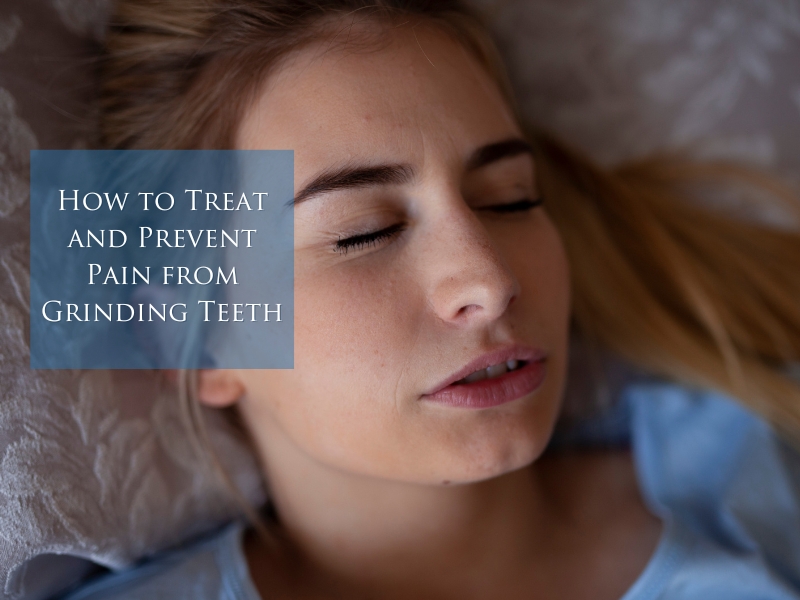
Teeth grinding, or bruxism, is a leading cause of TMJ disorders. Many people grind or clench their teeth, often during sleep, due to stress or anxiety. This repetitive motion places significant pressure on the jaw joints, leading to pain, inflammation, and long-term damage to the TMJ.
If you wake up with a sore jaw or notice flattened teeth, teeth grinding may be a major contributor to your TMJ discomfort. Bruxism is common among people, where stress from work or personal life can lead to clenching and grinding during sleep.
3. Poor Posture and Alignment Issues
Your body’s alignment plays a significant role in your overall health, including the health of your TMJ. Poor posture, especially when sitting at a desk for extended periods or looking down at screens, can put unnecessary strain on your neck and jaw muscles. Over time, this can lead to misalignment in the jaw joint.
People often spend long hours at desks or workstations. If your posture isn’t optimized, you may unknowingly strain your jaw and neck muscles, causing tension and triggering TMJ symptoms. It’s essential to maintain proper posture to reduce the risk of TMJ issues.
4. Arthritis
Arthritis, both osteoarthritis and rheumatoid arthritis, can contribute to TMJ disorders by affecting the joints. The temporomandibular joint can become inflamed and weakened by arthritis, leading to pain and restricted movement.
Arthritis is a common condition among older adults in Carrollton, and if you suffer from joint pain, it’s worth considering whether arthritis may be contributing to your TMJ issues. Arthritis-related TMJ problems can lead to stiffness and difficulty with jaw movement, making it hard to chew or speak comfortably.
5. Jaw Misalignment (Malocclusion)
A misaligned bite, also known as malocclusion, can put uneven pressure on your jaw and lead to TMJ disorders. When the teeth do not align properly, the jaw must work harder to bring them together, leading to stress and strain on the TMJ.
In some cases, malocclusion is genetic, but it can also result from dental work, tooth loss, or developmental issues. If you have an uneven bite, seeking TMJ treatment in Carrollton can help align your teeth and ease the strain on your jaw.
6. Stress and Anxiety
One of the more common, yet often overlooked causes of TMJ disorders is stress. When you’re stressed, you may unknowingly clench your jaw or grind your teeth, which can lead to TMJ pain. Chronic stress can also cause muscle tension, which further exacerbates TMJ discomfort.
Carrollton residents are often balancing busy work schedules, family life, and other responsibilities, making stress a significant contributing factor to TMJ issues. Finding ways to manage stress, such as through relaxation techniques or counseling, can significantly reduce TMJ symptoms.
7. Muscle Imbalance
Sometimes, an imbalance in the muscles that control your jaw can cause TMJ disorders. Overuse of the jaw muscles, such as chewing gum or eating tough foods, can lead to fatigue, tension, and inflammation around the TMJ.
Living in a place like Carrollton, where dining out and trying new foods is part of the lifestyle, it’s easy to overlook how certain eating habits can affect the muscles around your jaw. Opting for a variety of textures in your diet and avoiding excessive chewing can help prevent TMJ problems.
How Can TMJ Treatment Help?
Fortunately, TMJ disorders are treatable. The treatment plan for TMJ pain depends on the underlying cause, and it’s important to work closely with your dentist to find the right solution. Common treatment options for TMJ disorders include:
- Oral Appliances: Mouthguards or splints can help realign the jaw, prevent teeth grinding, and reduce strain on the TMJ.
- Physical Therapy: Specific exercises can help strengthen the jaw muscles and improve jaw movement.
- Medications: Over-the-counter pain relievers or muscle relaxants can reduce inflammation and ease pain.
- Stress Management: Learning stress-management techniques can significantly reduce jaw clenching and grinding, relieving TMJ pain.
- Surgical Interventions: In rare cases, surgery may be necessary to correct severe TMJ disorders, especially when other treatments fail.
TMJ disorders can affect anyone, but understanding the causes and seeking treatment is the first step toward relief. Whether your TMJ discomfort stems from an injury, poor posture, stress, or another underlying cause, there are treatment options available to restore your quality of life. At Addison Dental Group, we’re here to help you navigate TMJ treatment in Carrollton with tailored care. If you’re experiencing jaw pain or other TMJ symptoms, don’t hesitate to contact us and schedule an appointment today!
Questions to Ask
What are the early signs of a TMJ disorder?
Early signs of a TMJ disorder include jaw pain, clicking or popping sounds when opening the mouth, headaches, and difficulty chewing or speaking.
Can stress cause TMJ issues?
Yes, stress is a common cause of TMJ issues. It can lead to jaw clenching and teeth grinding, which puts strain on the jaw joint and muscles.
How long does it take to recover from TMJ treatment?
Recovery time depends on the severity of the condition and the treatment used. Most people experience relief within a few weeks to a few months with proper care.
Is surgery necessary for TMJ disorders?
Surgery is typically a last resort for severe TMJ disorders. Non-invasive treatments like mouthguards and physical therapy are usually effective in managing the symptoms.
Can TMJ disorders affect my daily life?
Yes, TMJ disorders can affect activities such as speaking, chewing, and even sleeping. If left untreated, it can lead to chronic pain and discomfort.