
Signs of Gum Disease Carrollton Patients Shouldn’t Ignore
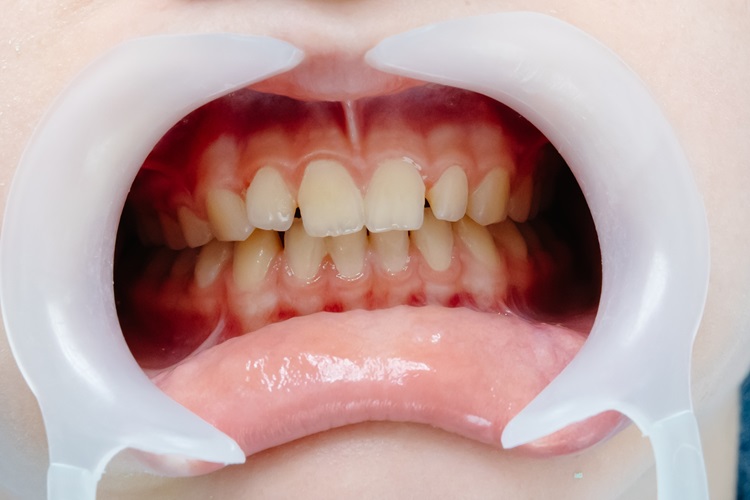
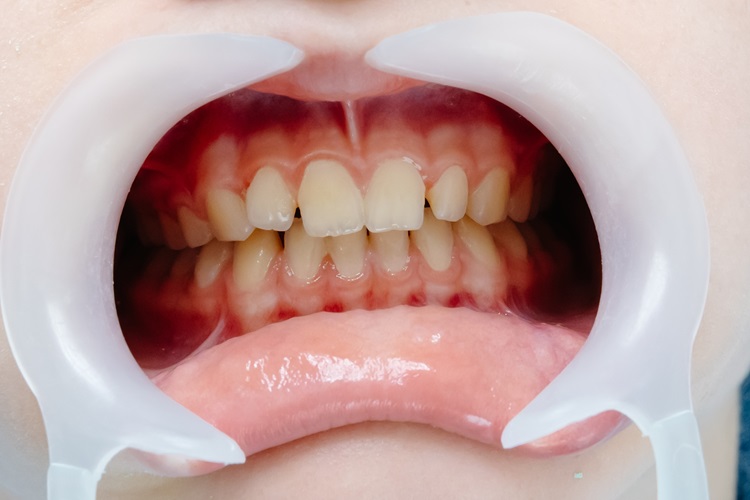
Gum disease is one of the most common dental health issues affecting millions of people worldwide, yet many often overlook its early warning signs. The good news is that gum disease is preventable, especially when caught early. For patients in Carrollton, recognizing the early signs of gum disease can help ensure you receive the right periodontal treatment before it progresses to more severe health issues, such as tooth loss.
If you’ve noticed any changes in your oral health recently, it’s important to pay attention. This blog will guide you through the common signs of gum disease and why it’s crucial to act early. Let’s explore what you need to know to protect your smile and overall health.
What Is Gum Disease and Why Does It Matter?
Gum disease, also known as periodontal disease, is an infection of the tissues that surround and support your teeth. The primary cause of gum disease is plaque, a sticky, colorless film of bacteria that forms on your teeth. If plaque is not removed through regular brushing and flossing, it can harden into tartar, which can only be removed by periodontal treatment in Carrollton. There are two main stages of gum disease:
- Gingivitis: the earliest stage of gum disease. It causes inflammation of the gums but can often be reversed with good oral hygiene.
- Periodontitis: If gingivitis progresses without treatment, it can develop into periodontitis, a more severe form of gum disease. This can lead to gum recession, bone loss, and tooth loss.
Common Signs of Gum Disease
It’s essential to monitor any changes in your oral health. While gum disease often develops slowly, recognizing the early signs can help prevent it from progressing. Here are some key symptoms to watch for:
- Bleeding Gums: One of the most common signs of gum disease is bleeding gums, especially when brushing or flossing. Healthy gums don’t bleed, so if you notice this, it could be an indication of gingivitis or early-stage gum disease.
- Swollen or Red Gums: Healthy gums should be firm and light pink. If your gums appear swollen, red, or inflamed, this could indicate gum disease. Swollen gums are a sign that your body is fighting off an infection, and it’s important to address the issue early.
- Bad Breath (Halitosis): Persistent bad breath is often a sign of gum disease. The bacteria in the mouth can cause foul-smelling odors, especially as the infection worsens. If your bad breath doesn’t go away after brushing or using mouthwash, it could be time to see your dentist.
- Receding Gums: If your gums appear to be pulling away from your teeth, revealing more of the tooth or the root, this could indicate gum recession. Gum recession is a common symptom of advanced periodontal disease and should be addressed immediately.
- Pain or Tenderness in the Gums: If you experience pain or tenderness when chewing or brushing your teeth, this can be a warning sign of gum disease. You may also feel discomfort when touching your gums or when eating certain foods.
- Loose Teeth: In advanced stages of gum disease, the loss of bone structure that supports the teeth can cause teeth to become loose. If you notice that any of your teeth feel loose or shift positions, this could be a sign of severe periodontal disease.
- Pus Between Teeth and Gums: The presence of pus around the gums is a clear indication of an infection. If you notice pus around the base of your teeth or between the teeth and gums, it’s a serious sign that the infection has progressed and requires professional attention.
How Periodontal Treatment in Carrollton Can Help
The good news is that periodontal disease is treatable, especially if caught early. Carrollton residents experiencing any of the symptoms listed above should seek professional help to avoid the more severe consequences of untreated gum disease. Depending on the severity of your condition, different treatment options are available.
For Early-Stage Gum Disease (Gingivitis)
If you have gingivitis, your dentist will likely recommend a deep cleaning, known as scaling and root planing. This non-surgical procedure removes plaque and tartar below the gumline and smooths root surfaces to help prevent further plaque buildup. Good oral hygiene practices will also be emphasized to prevent recurrence.
For Advanced Gum Disease (Periodontitis)
If you are dealing with periodontitis, your treatment plan may involve more extensive procedures. In some cases, surgical treatments such as flap surgery or bone grafting may be required to restore lost gum tissue and bone due to the disease. These treatments aim to reduce pockets between the teeth and gums, restore bone health, and prevent tooth loss.
Regular follow-up visits to monitor the progress of your treatment and ensure your gums remain healthy are also critical.
Prevention Is Key
The best way to prevent gum disease is to maintain excellent oral hygiene. Here are some tips to keep your gums healthy and avoid the need for periodontal treatment:
- Brush Twice a Day: Brush your teeth at least twice a day using fluoride toothpaste. Make sure to brush for at least 2 minutes to clean all surfaces of your teeth.
- Floss Daily: Flossing removes plaque and food particles from between your teeth and along the gumline, which a toothbrush can’t reach.
- Visit Your Dentist Regularly: Schedule routine dental checkups and cleanings every six months to catch any early signs of gum disease. Your dentist can provide a professional cleaning and check for gum recession or other problems.
- Eat a Balanced Diet: A healthy diet rich in fruits, vegetables, and whole grains can help support your immune system, making it easier for your body to fight off infections like gum disease.
- Quit Smoking: Smoking is a significant risk factor for gum disease. It weakens your immune system and reduces blood flow to your gums, making it harder for them to heal.
Gum disease is a serious condition that can lead to tooth loss if left untreated. However, with early detection and appropriate treatment, you can restore your gum health and protect your smile. If you’re noticing any signs of gum disease, don’t wait—contact a trusted dental provider in Carrollton for periodontal treatment. At Addison Dental Group, we’re here to help you maintain healthy gums and teeth for years to come. Schedule an appointment today to take the first step toward a healthier smile!
Questions to Ask
Can gum disease be reversed?
Yes, gum disease can often be reversed in its early stages (gingivitis) with professional cleaning and improved oral hygiene.
How long does periodontal treatment take?
The duration of periodontal treatment depends on the severity of the condition. Early-stage treatment may require just one visit, while more advanced treatments may require several sessions.
What happens if gum disease is not treated?
If left untreated, gum disease can progress to periodontitis, which can lead to tooth loss, gum recession, and other health complications.
Can I still have gum disease if I don’t have any pain?
Yes, gum disease can develop without causing pain. Many people don’t notice symptoms until the disease is more advanced, which is why regular checkups are essential.