
What Is Periodontal Disease and How Is It Treated?
Your gums bleed once again. You tell yourself it’s normal. Maybe you even convince yourself it’s because you brushed too hard. But inside, you’re wondering if things aren’t right. Let us tell you the truth. Here’s the truth: healthy gums don’t bleed. Do you have swelling and pain, and notice that your gums have pulled away from your teeth? Well, you’re certainly not overreacting. Thousands of people in Carrollton experience gum issues each year, and most wait far too long to do anything about them.
In a nutshell, periodontal treatment is more accessible than you might think, and catching gum disease early can help prevent serious complications down the road. In this blog, you will learn what periodontal disease is, what causes it, and how it’s treated.
What Exactly Is Periodontal Disease?
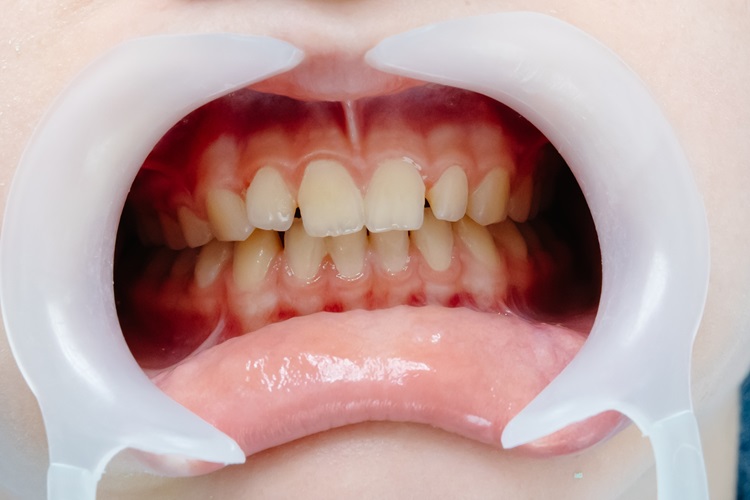
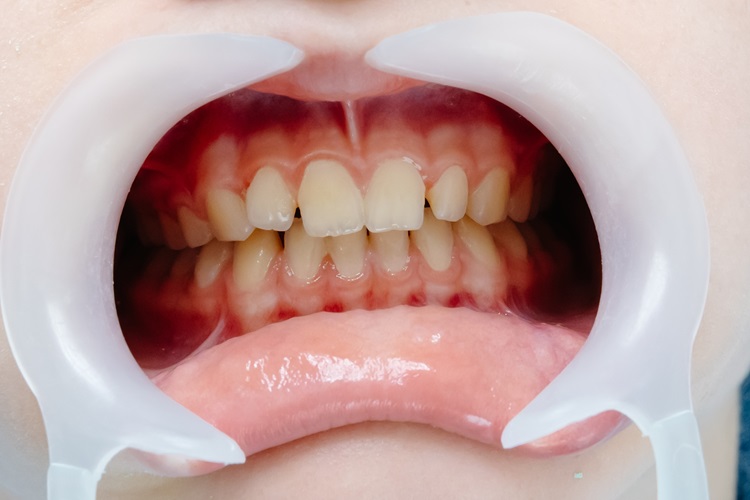
Periodontal disease is an infection that primarily affects the gums and other tissues that support the teeth. Although most people refer to periodontal disease as gum disease, it begins when bacteria in the mouth form plaque, a sticky substance on teeth. When plaque is not removed from teeth, it hardens into tartar, which can only be removed by a dentist.
The disease has two stages. The primary stage is gingivitis, characterized by red, swollen gums that bleed easily during brushing. The good news is that gingivitis is reversible.
If gingivitis is left untreated, it can progress to periodontitis. This is where the severe damage is done. The infection progresses, penetrating deeper below the gums and destroying the tissues and bones that hold your teeth in place. Gaps develop between your teeth and gums, allowing bacteria to trap. If not treated, you might lose your teeth.
Periodontal treatment in Carrollton focuses on stopping disease progression before permanent damage occurs. Dentists use different approaches depending on severity, but all treatments aim to eliminate infection and restore gum health.
What Causes It?
Plaque buildup is the primary cause, but there are also other risk factors:
- Poor brushing and flossing habits
- Smoking or chewing tobacco
- Genetics
- Diabetes
- Certain medications
- Hormonal changes
- Chronic stress
- Grinding your teeth
- Poor nutrition
When you live in Carrollton, you’re juggling hectic day-to-day routines—work, family, perhaps squeezing in a game at Rosemeade Park or some shopping. Your dental appointments may fall by the wayside. Inconsistent dental visits and stress, however, cause gum issues to escalate.
Signs You Shouldn’t Ignore
Although gum disease does not usually hurt in the early stages, most people overlook this symptom. Be on the lookout for the following:
- Bleeding gums during brushing or flossing
- Red, swollen, or tender gums
- Gums receding or pulling away from teeth
- Persistent bad breath that won’t go away
- Bad taste in your mouth
- Loose or shifting teeth
- Changes in the way your teeth fit together when you bite
- Pus appears between teeth and gums
If you experience even one of the following symptoms, you should schedule an exam. The problem that appears small right now could require more serious work in the future.
How Is Periodontal Disease Treated?
Periodontal treatment in Carrollton depends on the stage of the disease. Your dentist will check your gums, measure the depth of your periodontal pockets, and may take X-rays to check for bone loss.
For Early to Moderate Cases
- Professional cleaning: It removes plaque and tartar buildup both above and below the gum line. This is usually treated for gingivitis.
- Scaling and root planing: It is a deep-cleaning procedure. It includes removing the plaque and tartar from below the gum line. Also, it includes smoothing the tooth roots so they can reattach properly. Local anesthesia is provided. The process may require several appointments, depending on the condition.
- Antibiotic therapy: It helps control the infection. The dentist may prescribe antibacterial mouth rinses, antibiotic gels placed in gum pockets, or antibiotics for infections for more widespread infections.
- Improved home care: Home care techniques need improvement. Your dentist will explain not only how to brush properly but may also suggest other tools, such as interdental brushes and floss.
For Advanced Cases
Flap surgery: Also known as pocket reduction surgery, it involves lifting back the gums to remove deep tartar deposits. This way, they are tightly stitched around the teeth to reduce pocket depth and make cleaning easier.
Bone grafting: It replaces lost bone due to periodontitis. The graft material can be fragments of your own bone, donated bone, or synthetic material. It allows the body to regenerate new bones naturally.
Soft tissue grafts: For more severe gum recession, soft-tissue grafting is performed. A tissue is taken from the top of the mouth or from another source, which is then stitched over the gums to cover the roots after the recession is repaired.
Guided tissue regeneration: This process uses a special biocompatible fabric placed between existing bone and tooth. This prevents unwanted tissue from growing into the healing area, allowing bone and connective tissue to regrow.
Tissue-stimulating proteins: For tissue-stimulating proteins, a special gel is applied to the diseased tooth roots. This gel consists of proteins found in developing tooth enamel and stimulates healthy tissue growth.
Prevention Is Your Best Defense
Preventing gum disease is easier than treating the condition:
- Brush twice a day for two minutes using a soft-bristled toothbrush
- Use dental floss every day to clean between them
- Use an antimicrobial mouthwash to reduce bacteria
- Schedule regular dental cleanings every six months or more frequently as recommended
- Stop smoking or using other tobacco products
- Eat a balanced diet rich in vitamins and minerals
- Effectively manage health conditions like diabetes
- Reduce stress through exercise, meditation, or hobbies
Visiting the dentist regularly helps to catch dental problems early. Your dentist can detect signs of gum disease before symptoms appear.
The Connection Between Gum Health and Overall Health
Research from the American Dental Association (ADA) links gum disease to other health conditions. The disease-causing bacteria reach the bloodstream, which might result in:
- Heart disease and stroke risk
- Diabetes management and blood sugar control
- Respiratory Infections
- Pregnancy complications, including premature birth
- Rheumatoid arthritis symptoms
Of course, this doesn’t mean gum disease causes these conditions, but the link is close enough that maintaining healthy gums benefits the rest of you.
Take Control of Your Gum Health Today
You don’t have to live with sore gums, stinky breath, or the fear of losing your teeth. Modern treatment for periodontal diseases is quite effective, and early intervention is key. Whether you need a routine professional cleaning or a more complex treatment, relief is not hard to find in Carrollton.
The sooner you treat a gum problem, the less treatment you’ll need and the healthier your life will be. Don’t wait until you have a toothache.
Ready to Protect Your Smile?
If you notice any of the symptoms of gum disease, or it has been a while since your last routine dental appointment, it is time to take action! At Addison Dental Group, our focus is on providing our patients with optimum periodontal treatment in Carrollton. Our well-trained professional team is skilled in the latest periodontal techniques and focused on helping you achieve the best smile possible.
Common Questions People Ask
How long does it take to treat periodontal disease?
Treatment duration depends on severity. Gingivitis can improve in weeks with care, while moderate to severe periodontitis may take months with multiple sessions.
Is periodontal treatment painful?
Most procedures use local anesthesia, so there is no pain during treatment. Tenderness usually resolves within days, and over-the-counter pain relievers can provide comfort.
Will my insurance cover periodontal treatment?
Many dental plans cover it, especially if medically necessary. Check with your provider for specific details about coverage and co-pays.
Can gum disease come back after treatment?
Yes, if oral hygiene isn’t maintained. Regular cleanings every 3-4 months are crucial to prevent recurrence.