
What Your TMJ Evaluation Actually Involves: A Step-by-Step Breakdown

If you’ve been dealing with jaw pain, clicking sounds, or frequent headaches, you may have heard the term TMJ. But what does a TMJ evaluation actually involve? Understanding what your TMJ evaluation actually involves — a step-by-step breakdown Carrollton patients can follow — helps remove the mystery from the process. At Addison Dental Group, Dr. Tuan Chau takes a thorough and compassionate approach to diagnosing TMJ disorders.
This article walks you through the full evaluation process. By the end, you’ll know exactly what to expect at your appointment.
What Is TMJ and Why Does It Need a Full Evaluation?
TMJ stands for temporomandibular joint. These joints connect your lower jaw to your skull on each side of your face. When something goes wrong in these joints, it causes a condition known as TMD — temporomandibular disorder.
TMD can cause a wide range of symptoms. These symptoms often overlap with other conditions. That’s why a proper clinical evaluation is essential before any treatment plan is created.
Common TMJ symptoms include:
- Jaw pain or soreness, especially in the morning
- Clicking, popping, or grinding sounds when opening your mouth
- Difficulty fully opening or closing the jaw
- Frequent headaches or migraines near the temples
- Ear pain or a feeling of fullness in the ears
- Neck and shoulder tension linked to jaw strain
No two patients present the same way. Dr. Chau evaluates each person individually to build an accurate picture of what’s happening.
Step One: Your Health History and Symptom Review in Carrollton
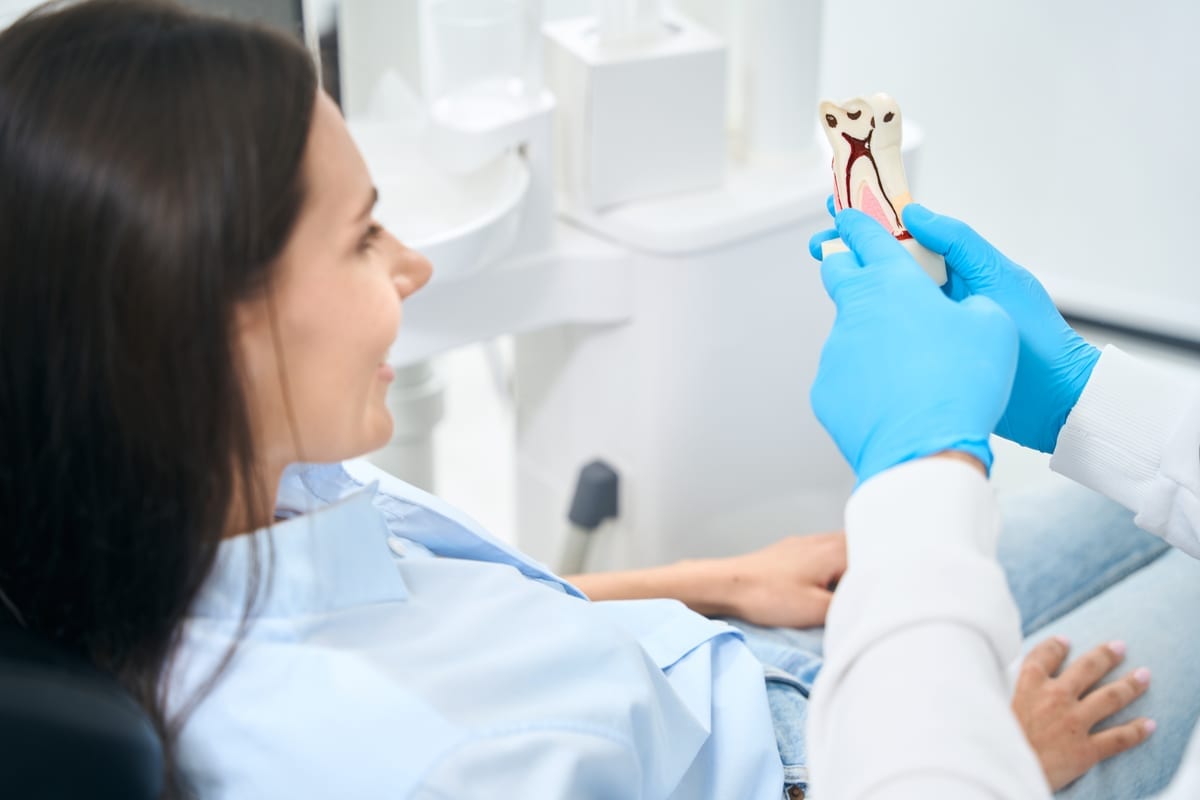
Every TMJ evaluation at Addison Dental Group begins with a detailed health history. Dr. Chau will ask about your symptoms, how long you’ve had them, and what makes them better or worse. This conversation matters — it shapes everything that follows.
You’ll also be asked about your sleep habits. Many TMJ patients clench or grind their teeth at night without realizing it. This habit, called bruxism, is a major driver of jaw joint stress.
Dr. Chau may also ask about stress levels and posture. Both can contribute directly to jaw tension and TMD symptoms. Being honest during this stage helps ensure an accurate diagnosis.
This intake process typically takes 10 to 15 minutes. It lays the foundation for the physical examination that follows.
Step Two: The Clinical Examination — What Dr. Chau Actually Checks
The hands-on portion of the evaluation is where Dr. Chau gathers clinical data. This exam involves several distinct components, each targeting a different aspect of jaw function.
First, Dr. Chau will observe your jaw movement. He’ll ask you to open and close your mouth slowly. He watches for any deviation or restriction in movement. These patterns reveal important clues about joint health.
Next, he will gently palpate — or press — along the jaw joint and surrounding muscles. This identifies areas of tenderness or inflammation. Muscle groups in the temples, cheeks, and neck are also assessed.
He will also listen for joint sounds. Clicking or popping during movement is a common sign of disc displacement within the joint. Some sounds are more clinically significant than others.
Key things assessed during the clinical exam include:
- Range of jaw motion — how wide you can open your mouth
- Joint sounds — clicking, popping, or crepitus
- Muscle tenderness — around the temples, jaw, and neck
- Bite alignment — how your upper and lower teeth come together
- Signs of tooth wear — often linked to nighttime grinding
This examination gives Dr. Chau a clear clinical picture before any imaging is ordered.
Step Three: Bite Analysis and Occlusal Assessment
Bite analysis is a critical part of understanding TMJ disorders. How your teeth come together — your occlusion — directly affects the pressure placed on your jaw joints. A misaligned bite can force the joints into unnatural positions over time.
Dr. Chau uses thin articulating paper during this assessment. You’ll bite down on it, leaving color marks on your teeth. These marks show exactly which teeth are taking the most force. Uneven force distribution is a red flag for TMD.
He may also evaluate wear patterns on your enamel. Flat or worn edges on teeth often indicate long-term clenching or grinding. This data helps connect your bite to your symptoms in a meaningful way.
An accurate bite analysis can also inform Restorative Dentistry Carrollton treatment options down the road. Restoring proper bite balance often plays a central role in TMJ management.
Step Four: Dental Imaging to See the Full Picture
Clinical exams reveal a lot — but they don’t show the internal structures of the joint. That’s where dental imaging comes in. X-rays and advanced imaging help Dr. Chau assess bone structure and joint positioning more precisely.
Panoramic X-rays are commonly used. They provide a broad view of the entire jaw, including the joint heads on both sides. Dr. Chau can check for bone changes, erosion, or asymmetries in the joint anatomy.
In some cases, more advanced imaging like a CBCT scan may be recommended. This 3D imaging technology gives an even clearer view of the joint space and surrounding structures. It’s particularly useful for complex cases.
Imaging also helps rule out other causes for your symptoms. Dental infections, bone conditions, or referred pain from other areas can sometimes mimic TMJ disorders. Accurate imaging ensures nothing gets missed.
After the Evaluation: What Happens Next
Once all the data is collected, Dr. Chau will sit down and walk you through his findings. He believes in clear, honest communication — you’ll understand exactly what was found and why it matters. This conversation is just as important as the evaluation itself.
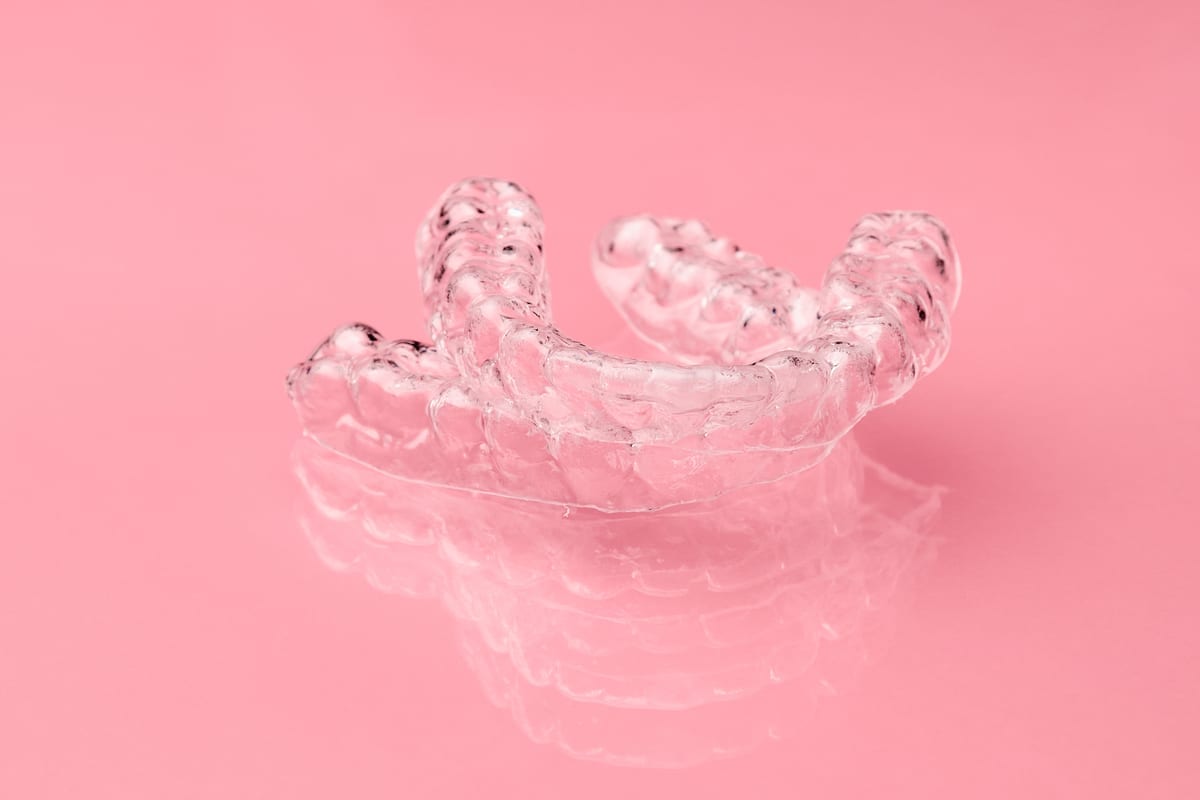
Treatment recommendations are tailored to your specific diagnosis. Mild cases may respond well to at-home exercises and behavior changes. More involved cases may require an occlusal night guard, physical therapy, or further dental work.
In some situations, TMJ treatment intersects with Cosmetic Carrollton dentistry goals. Improving bite alignment can positively affect both function and smile appearance at the same time.
The goal is always long-term relief — not just managing symptoms but addressing the root cause. Dr. Chau prioritizes conservative, evidence-based options first.
Conclusion: Take Control of Your Jaw Health in Carrollton
A TMJ evaluation doesn’t have to feel overwhelming or confusing. When you understand each step — from the health history to imaging — the process becomes much less intimidating. Dr. Tuan Chau and the team at Addison Dental Group are here to guide you every step of the way.
If you’ve been living with jaw pain, headaches, or unexplained dental wear, don’t wait. An early evaluation leads to earlier relief. Book Now to schedule your appointment with our team.
Frequently Asked Questions
How long does a TMJ evaluation take?
Most TMJ evaluations at Addison Dental Group take between 45 minutes and one hour. This includes the health history review, clinical examination, bite analysis, and any necessary imaging. Dr. Chau takes time to be thorough so nothing is overlooked.
Is a TMJ evaluation painful?
The evaluation itself is not painful for most patients. Dr. Chau uses gentle pressure during palpation. Some patients with active inflammation may feel mild tenderness when the jaw muscles are assessed, but the process is designed to be as comfortable as possible.
Do I need a referral to get a TMJ evaluation in Carrollton?
No referral is needed. You can contact Addison Dental Group directly to schedule your evaluation with Dr. Tuan Chau. If your case requires specialist involvement, Dr. Chau will coordinate an appropriate referral on your behalf.
Can TMJ go away without treatment?
Mild TMJ symptoms sometimes improve with rest, stress reduction, and soft food diets. However, many cases worsen over time without professional evaluation and care. Getting diagnosed early gives you the best chance of successful, conservative treatment.
What is the difference between TMJ and TMD?
TMJ refers to the temporomandibular joint itself — the hinge connecting your jaw to your skull. TMD stands for temporomandibular disorder, which is the clinical term for problems affecting that joint and the surrounding muscles. Dentists often use the terms interchangeably in everyday conversation.