
Professional Teeth Cleaning in Carrollton, TX


Ever wondered what your hygienist is actually doing during your cleaning appointment? Understanding inside your professional teeth cleaning — what your hygienist actually does in Addison — can ease anxiety and help you get more from every visit. At Addison Dental Group, Dr. Tuan Chau and our hygiene team believe informed patients make better decisions about their oral health. This step-by-step walkthrough will show you exactly what happens from the moment you sit in the chair.
Step 1: The Initial Oral Exam and Health Review
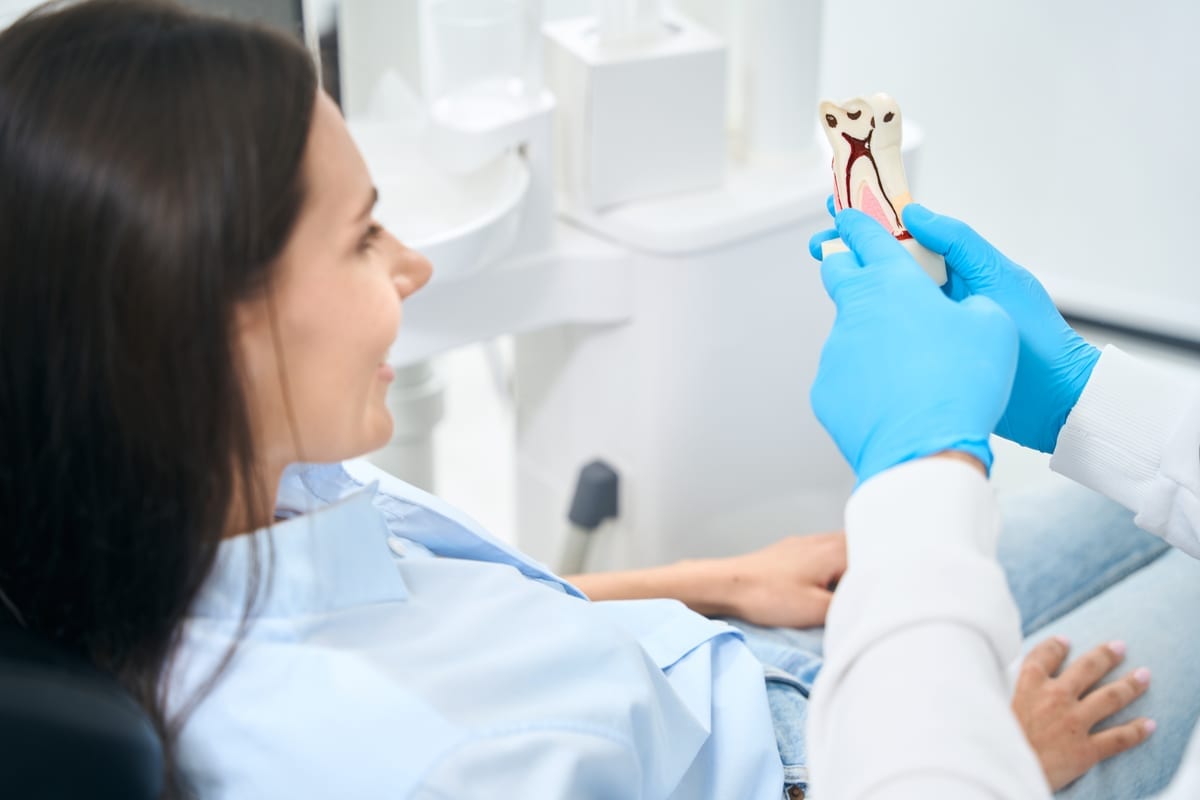
Before any tools come out, your hygienist reviews your health history. They ask about medications, recent illnesses, and any concerns you have noticed. This information directly shapes how they approach your cleaning that day.
Next, they perform a quick visual inspection of your mouth. They look for signs of gum inflammation, unusual tissue changes, and early cavities. Catching these issues early is one of the most important reasons to keep up with regular visits.
Your hygienist also checks for signs that may warrant a closer look by Dr. Chau. They note anything that has changed since your last appointment. This collaborative process is what makes a professional cleaning far more valuable than brushing at home.
Step 2: Scaling — Removing Tartar and Plaque Build-Up in Addison Patients
Scaling is the core of your cleaning appointment. Your hygienist uses a small metal tool called a scaler to carefully remove tartar from your tooth surfaces. Tartar is hardened plaque that regular brushing simply cannot remove.
Many offices also use an ultrasonic scaler for this step. This device uses gentle vibrations and a fine water mist to break apart stubborn deposits. Patients often find the ultrasonic tool more comfortable than traditional hand scaling.
Here is what your hygienist is looking for during scaling:
- Tartar build-up along the gumline and between teeth
- Plaque in hard-to-reach areas like back molars
- Pockets where bacteria may be hiding below the gumline
- Early signs of gum disease, such as bleeding or swelling
This step takes the most time during your appointment. The amount of tartar present affects how long scaling requires. Consistent six-month visits keep build-up minimal and the process quick.
Step 3: Polishing, Flossing, and Fluoride Treatment
After scaling, your hygienist polishes your teeth using a slightly gritty prophylaxis paste. A soft rotating cup applies the paste to every tooth surface. This removes surface stains and smooths enamel so plaque has less to cling to.
Professional flossing comes next. Your hygienist guides floss between each contact point with expert precision. They are checking for tight contacts, bleeding gums, and areas where plaque accumulates most. This is also a great teaching moment — they can show you better flossing technique for home care.
Many patients at Addison Dental Group also receive a fluoride treatment at the end. Fluoride strengthens enamel and helps prevent cavities between visits. It takes only a minute or two and provides real protective benefits, especially for patients prone to decay.
Step 4: Periodontal Probing and What the Numbers Mean
Your hygienist uses a small ruler-like probe to measure the depth of spaces between your teeth and gums. These spaces are called periodontal pockets. Healthy pockets measure between one and three millimeters.
Numbers higher than four millimeters can signal early gum disease. Your hygienist records these measurements at every visit and compares them over time. Tracking changes is how the team identifies gum health trends before they become serious problems.
If your measurements show concerning changes, Dr. Chau may recommend additional treatment. This could range from a deeper cleaning to a referral for specialized care. Early detection is always better than waiting.
What X-Rays and the Dentist Exam Add to Your Visit
Depending on your last set of images, your hygienist may take dental X-rays during your appointment. X-rays reveal cavities between teeth, bone loss, and issues not visible to the naked eye. They are an essential diagnostic tool, not just a formality.
After your cleaning, Dr. Tuan Chau performs a comprehensive exam. He reviews your hygienist’s notes, checks every tooth individually, and evaluates your bite and jaw. This combined effort ensures nothing gets missed.
If Dr. Chau identifies concerns, he will explain your options clearly and without pressure. Patients interested in smile improvements may learn about Cosmetic Dentistry options available at the practice. Patients with deeper decay concerns may need to discuss Root Canals as a tooth-saving solution.
Benefits of Keeping Up With Professional Cleanings
Regular professional cleanings do far more than keep your smile looking bright. Here are key benefits patients gain from consistent six-month appointments:
- Removal of tartar that cannot be addressed at home
- Early detection of cavities, gum disease, and oral cancer
- Fresher breath by eliminating bacteria below the gumline
- A healthier baseline that makes future cleanings faster and easier
- Stronger enamel through professional fluoride application
- Peace of mind from a thorough professional review
Skipping cleanings allows problems to develop silently. Small issues become costly treatments when left unaddressed. The best investment in your oral health is simply showing up consistently.
Conclusion: Your Cleaning Appointment Does More Than You Think
A professional teeth cleaning is a comprehensive health assessment, not just a polish and floss. Your hygienist works methodically through each step to protect your teeth and gums. Understanding the process helps you appreciate the value of every appointment. At Addison Dental Group in Carrollton, TX, Dr. Tuan Chau and our team are here to make every visit comfortable, thorough, and worthwhile. Book Now to schedule your appointment with our team.
Frequently Asked Questions
How long does a professional teeth cleaning typically take?
Most routine cleaning appointments take between 45 minutes and one hour. The time varies based on the amount of tartar present and whether X-rays or a full exam are included that day. Patients who come in every six months generally have shorter cleaning times.
Is it normal for my gums to bleed during a cleaning?
Light bleeding can occur, especially if you have early gum inflammation or have not flossed regularly at home. Your hygienist will note where bleeding occurs and track it over time. Consistent cleanings and improved home care usually reduce or eliminate bleeding.
What is the difference between a regular cleaning and a deep cleaning?
A regular cleaning, called prophylaxis, removes plaque and tartar from above and just below the gumline. A deep cleaning, called scaling and root planing, targets bacteria and deposits deeper in periodontal pockets. Your hygienist recommends a deep cleaning when pocket depths and gum disease signs indicate the need.
How often should I get a professional teeth cleaning?
Most patients benefit from a professional cleaning every six months. Some patients with active gum disease or a history of rapid tartar build-up may need visits every three to four months. Dr. Chau and your hygienist will recommend the right schedule based on your individual oral health.
What should I do to prepare for my cleaning appointment?
You do not need to do anything special before your cleaning. Brush and floss as you normally would before arriving. Let your hygienist know about any new medications, dental concerns, or areas of sensitivity so they can adjust their technique for your comfort.