Why Your Toothbrush Can’t Remove Hardened Tartar (But We Can)


You brush twice a day. You floss regularly. Yet your dentist still finds tartar buildup at every visit. If you’ve ever wondered why your toothbrush can’t remove hardened tartar — but we can — you’re not alone. This is one of the most common questions patients ask at Addison Dental Group. Understanding the science behind tartar helps you see why professional cleanings aren’t optional. They’re essential to your long-term oral health.
What Is Tartar and Why Does It Harden?
Tartar starts as plaque — a soft, sticky film of bacteria that coats your teeth daily. Plaque is easy to remove with a toothbrush and floss when it’s fresh. The problem begins when plaque sits undisturbed for 24 to 72 hours. Minerals from your saliva bind to the plaque and cause it to calcify.
Once calcified, plaque becomes tartar — also called calculus. Tartar is rock-hard and bonds tightly to the tooth surface. No amount of brushing can scrub it away at that point. Think of it like trying to remove dried cement with a soft cloth.
Tartar forms most commonly along the gumline and between teeth. These are exactly the spots where your toothbrush struggles to reach effectively. Over time, tartar buildup creates a rough surface. That rough texture traps even more bacteria, accelerating plaque growth.
Why Your Toothbrush Can’t Remove Hardened Tartar in Addison (Or Anywhere)
Your toothbrush bristles are designed to clean soft plaque from smooth tooth surfaces. They simply don’t have the hardness or precision to break apart calcified tartar. Even electric toothbrushes — while excellent at plaque control — cannot dislodge hardened deposits. The same limitation applies to water flossers and oil pulling.
Many patients in Addison and the surrounding Carrollton area try to compensate by brushing harder. Unfortunately, that approach damages enamel and irritates gums without removing tartar. Aggressive brushing can actually cause gum recession over time. That exposes sensitive root surfaces to more bacteria — making the problem worse.
Home care is critically important. But it has a hard ceiling when tartar is already present. Once tartar forms, only a dental professional using specialized instruments can safely remove it. This is the core reason why routine cleanings matter so much.
What a Professional Cleaning Actually Removes
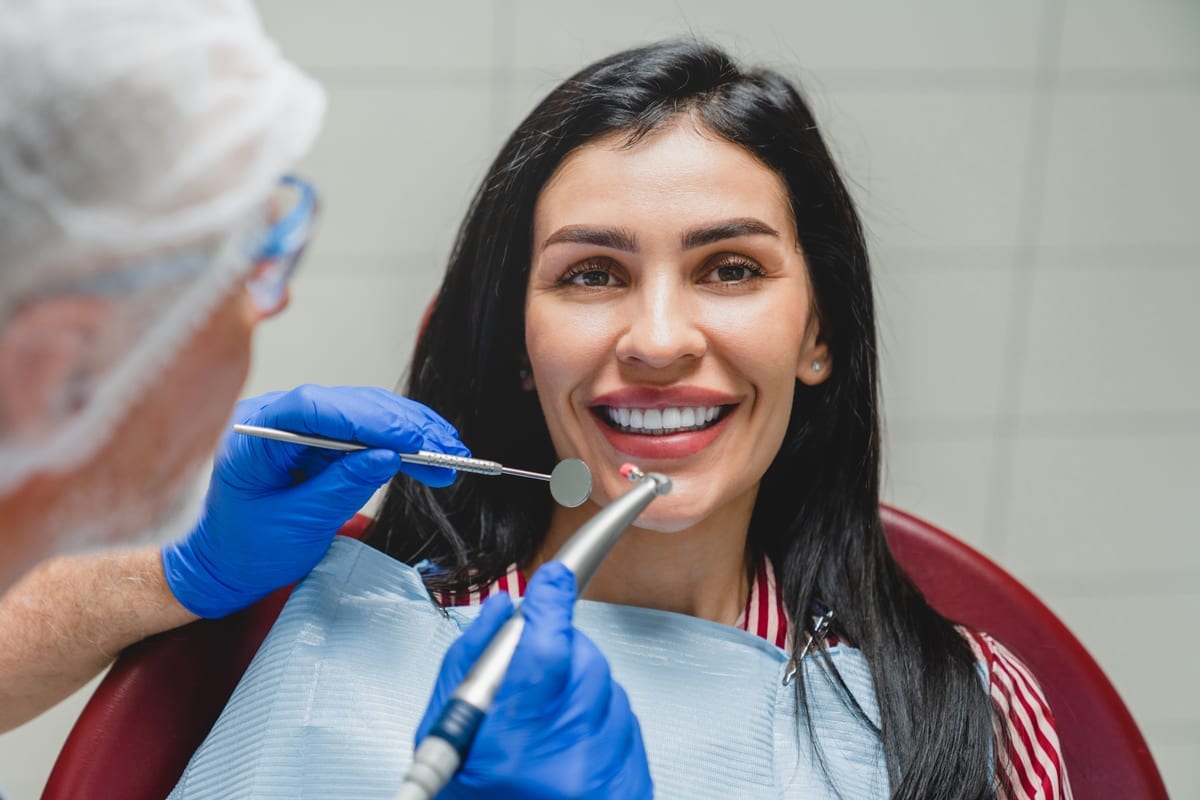
During a professional teeth cleaning at Addison Dental Group, Dr. Tuan Chau’s hygiene team uses ultrasonic scalers and hand instruments. These tools vibrate at high frequencies to break apart tartar deposits. The process is precise and designed to protect your enamel and gum tissue.
Here is what a professional cleaning removes that home care simply cannot:
- Subgingival tartar — deposits hidden below the gumline that you cannot see or feel
- Supragingival tartar — visible buildup along and above the gumline
- Stain accumulation — surface discoloration from coffee, tea, and food
- Bacteria colonies — embedded in tartar that contribute to gum disease
- Biofilm — a protective layer bacteria create to shield themselves from your toothbrush
After scaling, your hygienist polishes your teeth with a gritty paste. This removes residual plaque and surface stains. It also smooths tooth surfaces so plaque has a harder time sticking afterward. The entire process supports both your oral and overall health.
The Consequences of Skipping Professional Cleanings
Tartar buildup doesn’t stay contained to your teeth. As it accumulates along the gumline, it triggers chronic inflammation. That inflammation is the starting point of gingivitis — the earliest stage of gum disease. Left untreated, gingivitis progresses into periodontitis, which damages bone and tissue.
Gum disease has been linked to serious systemic conditions. Research connects it to heart disease, diabetes complications, and respiratory issues. Your mouth is the gateway to the rest of your body. Ignoring tartar buildup can have consequences far beyond a cosmetic concern.
Tartar also increases your cavity risk significantly. The bacteria it harbors produce acid that erodes enamel. Once enamel is damaged, you may need Restorative Dentistry Addison treatments to repair the damage. Prevention through regular cleanings is always the more comfortable and affordable path.
Consider what happens when cleanings are postponed for years. Deep pockets form between teeth and gums. Bacteria colonize those pockets aggressively. At that stage, a standard cleaning is no longer sufficient — deep cleaning procedures become necessary.
How Often Should You Get a Professional Cleaning?
Most patients benefit from cleanings every six months. However, some individuals build tartar more rapidly than others. Factors that increase your tartar accumulation rate include:
- Dry mouth caused by medications or medical conditions
- Smoking or tobacco use of any kind
- High-sugar or high-starch diets
- Genetics and saliva chemistry
- Orthodontic appliances that create more plaque traps
- Inconsistent flossing habits
If you fall into one of these categories, Dr. Tuan Chau may recommend cleanings every three to four months. This more frequent schedule prevents tartar from accumulating to a problematic level. It’s a proactive strategy — not a sign that something is wrong.
Between visits, your daily home care still matters enormously. Brush for two full minutes twice daily. Floss every evening before bed. Use a fluoride toothpaste to strengthen enamel. These habits slow tartar formation and keep your gums healthier between appointments.
Tartar Removal and Your Smile’s Appearance
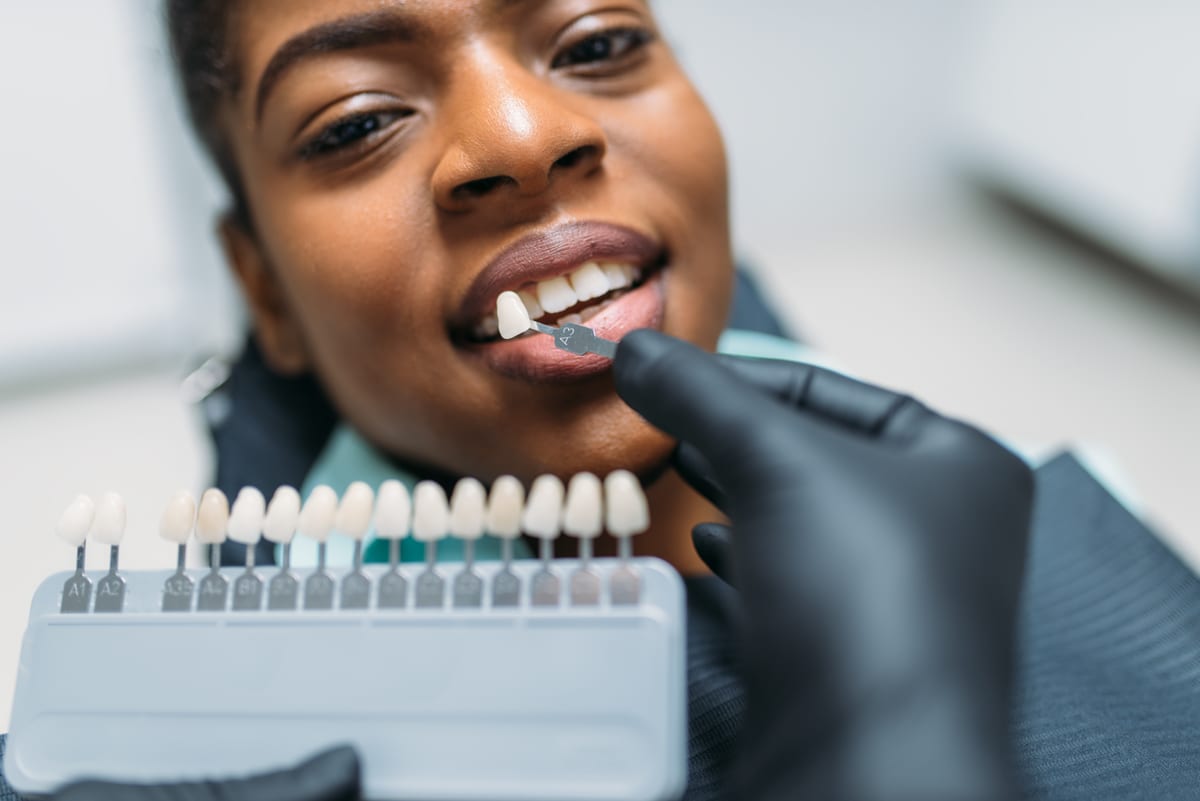
Tartar is typically yellow or brown in color. When it builds up along the gumline, it makes teeth look discolored and older. Removing it through professional cleaning is one of the simplest ways to refresh your smile’s appearance. Many patients are surprised by how much brighter their teeth look after a cleaning.
If you’re interested in going further with your smile, our team offers Cosmetic Addison treatments that can complement a freshly cleaned smile. Options like teeth whitening and Invisalign work best on a clean, tartar-free foundation. Your cleaning is always the smart first step before any cosmetic treatment.
Healthy gums also frame your smile beautifully. When tartar inflames gum tissue, gums can look red, puffy, or uneven. Restoring gum health through professional care lets your natural smile shine through more confidently.
Conclusion
Your toothbrush is a powerful tool — but it has real limitations. Once plaque hardens into tartar, no home care product can remove it safely. That’s where Dr. Tuan Chau and the team at Addison Dental Group step in. Professional cleanings remove what brushing simply cannot, protecting your teeth, gums, and overall health. Don’t wait for symptoms to appear before scheduling your next visit. Book Now to schedule your appointment with our team.
Frequently Asked Questions
Can tartar go away on its own without a dental cleaning?
No, tartar cannot dissolve or fall off on its own. Once plaque mineralizes into tartar, it bonds firmly to the tooth surface. Only a dental professional using specialized scaling instruments can remove it safely. Waiting longer allows tartar to accumulate further and increases your risk of gum disease and cavities.
Does tartar buildup cause bad breath?
Yes, tartar is a significant contributor to chronic bad breath. The bacteria embedded within tartar release sulfur compounds that produce an unpleasant odor. Brushing and mouthwash can temporarily mask the smell, but they cannot eliminate the bacterial source. A professional cleaning removes the tartar and the bacteria causing the odor.
How do I know if I have tartar on my teeth?
Tartar often appears as a yellow, brown, or white crust along the gumline — especially on the back of lower front teeth. You may also notice that certain areas feel rough when you run your tongue across them. However, subgingival tartar below the gumline is invisible and can only be detected during a professional dental exam.
Is a professional teeth cleaning painful?
Most patients experience little to no discomfort during a standard cleaning. You may feel mild sensitivity if your gums are inflamed from tartar buildup. The hygienist can adjust pressure and technique to keep you comfortable throughout the visit. If you have significant anxiety about cleanings, let us know — we’ll take extra care to make your experience a positive one.
What can I do at home to slow tartar formation?
Consistent brushing and flossing are your best defenses against tartar. Brush for two full minutes twice daily using a soft-bristled brush and fluoride toothpaste. Floss every night to disrupt plaque between teeth before it hardens. Reducing sugary foods and staying well-hydrated also helps minimize plaque buildup between professional cleaning appointments.