
What Happens During Each Stage of Getting a Dental Bridge

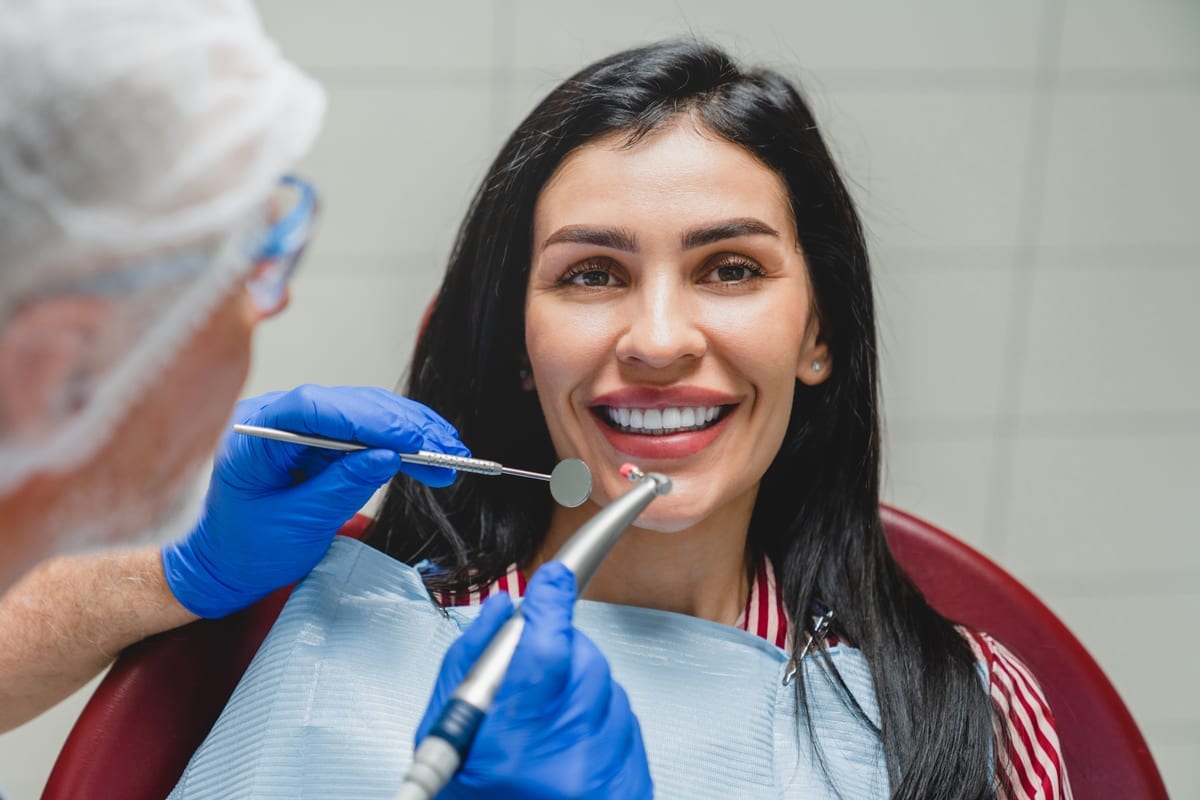
If you have a missing tooth, a dental bridge can restore your smile and your confidence. Understanding what happens during each stage of getting a dental bridge in Carrollton helps you feel prepared before you ever sit in the chair. At Addison Dental Group, Dr. Tuan Chau guides every patient through the process with care and clear communication. Knowing what to expect makes the entire experience far less stressful.
Stage One: Your Initial Consultation and Treatment Planning
Every dental bridge journey begins with a thorough consultation. Dr. Chau examines your teeth, gums, and jawbone to confirm that a bridge is the right solution for you. He reviews your dental and medical history during this visit. This step ensures your treatment plan is fully personalized to your needs.
Digital X-rays and intraoral photos are typically taken at this stage. These images help Dr. Chau evaluate the health of the teeth adjacent to the gap. Those neighboring teeth will serve as anchors, called abutment teeth, for the bridge. A strong foundation is essential for a long-lasting result.
This consultation is also your opportunity to ask questions. Dr. Chau and the team at Addison Dental Group want you to feel informed and comfortable. They explain the materials, timeline, and what each upcoming appointment will involve. No question is too small when your oral health is on the line.
Stage Two: Preparing the Abutment Teeth in Carrollton
Once your treatment plan is confirmed, your next appointment focuses on preparing the abutment teeth. Dr. Chau gently reshapes these teeth by removing a small amount of enamel. This creates space for the dental crowns that will anchor the bridge in place. Local anesthesia is used throughout this stage, so most patients feel little to no discomfort.
After reshaping, precise impressions of your teeth are taken. These impressions capture the exact shape of your prepared teeth and the gap. The data is sent to a dental laboratory where skilled technicians craft your custom bridge. Addison Dental Group works with trusted labs to ensure quality and accuracy.
While your permanent bridge is being made, Dr. Chau places a temporary bridge. This temporary restoration protects your prepared teeth and keeps your smile intact. It also lets you eat and speak normally during the waiting period. Most patients are pleasantly surprised by how comfortable this phase feels.
- Local anesthesia minimizes discomfort during tooth preparation
- Precise impressions ensure a custom, accurate fit
- A temporary bridge protects your teeth while you wait
- The process typically takes one to two hours
Stage Three: Fitting and Placing Your Permanent Bridge
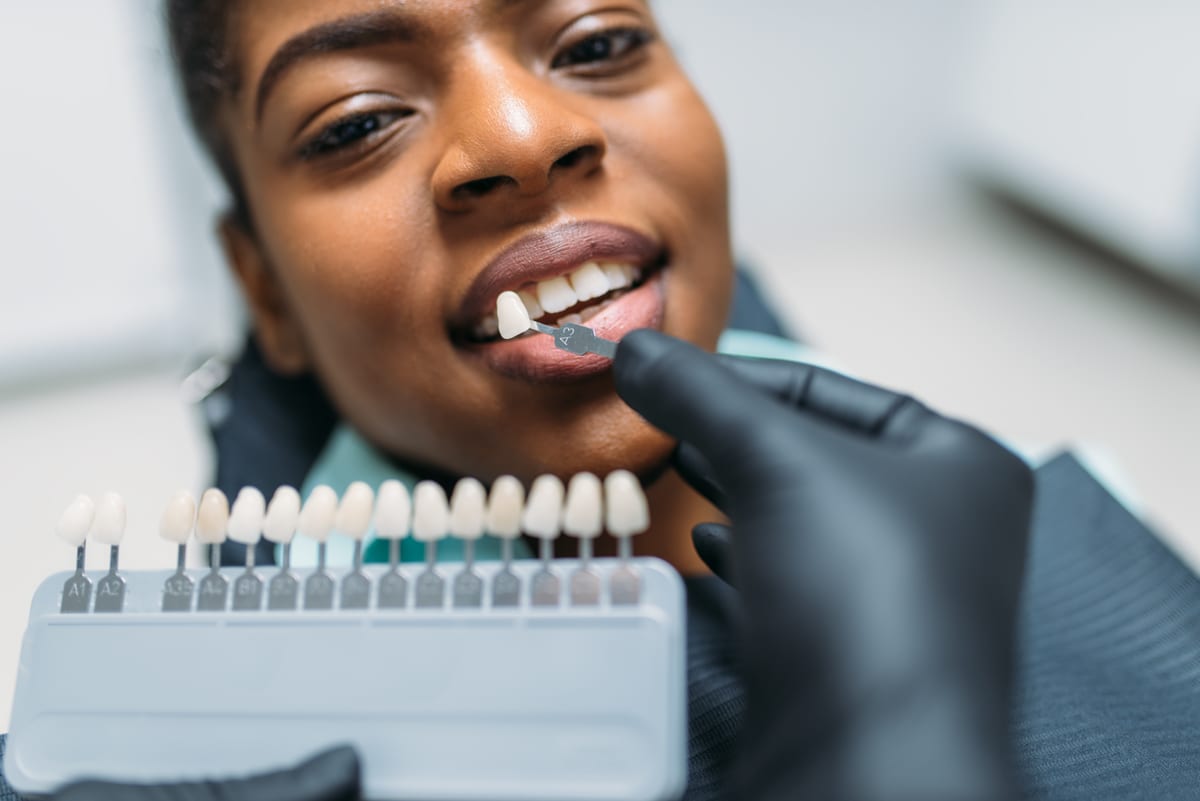
When your permanent bridge is ready, you return to Addison Dental Group for the placement appointment. Dr. Chau removes the temporary bridge and carefully checks the fit of your new restoration. He evaluates the color, shape, and bite alignment before making any final decisions. Small adjustments can be made at this stage to ensure everything feels natural.
Once Dr. Chau confirms the fit is ideal, he permanently cements the bridge into place. The bonding process is quick and precise. After cementing, he checks your bite again to make sure nothing feels off. Most patients leave this appointment with a fully restored, functional smile.
As part of Restorative Dentistry Carrollton at Addison Dental Group, dental bridges are designed to blend seamlessly with your natural teeth. The materials used match the shade of your surrounding teeth closely. Most people cannot tell the difference between the bridge and natural teeth. That natural appearance is a major advantage of this treatment.
What Patients Feel and How We Keep You Comfortable
One of the most common concerns patients share is fear of pain. Dr. Chau and the team prioritize your comfort at every stage. Local anesthesia is always used during the preparation phase. Most patients report feeling pressure rather than sharp pain during the procedure.
After each appointment, mild soreness around the treated area is normal. Over-the-counter pain relievers typically manage this discomfort well. Sensitivity to hot and cold foods may occur for a few days after placement. These sensations usually fade quickly as your mouth adjusts to the new bridge.
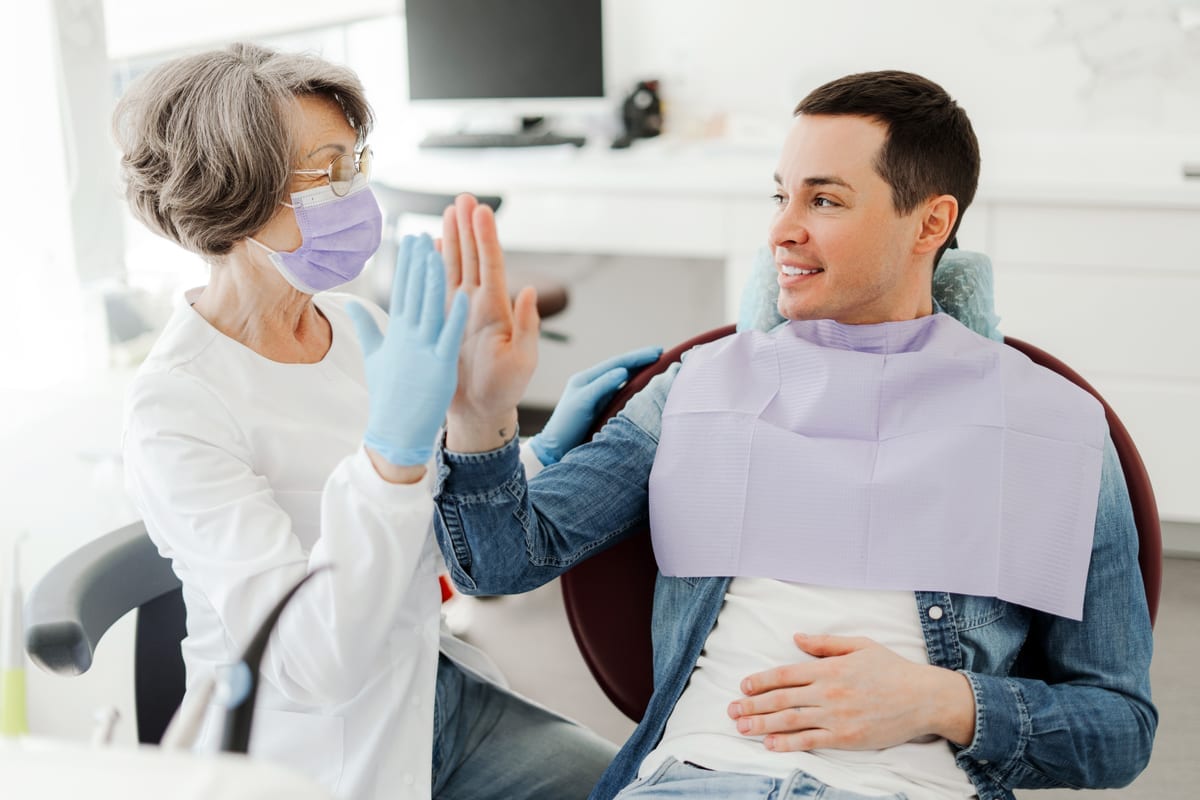
The team at Addison Dental Group communicates with you throughout every visit. If you feel anxious or uncomfortable at any point, you can signal the team to pause. Dr. Chau takes extra time with patients who feel nervous. Your comfort is never an afterthought here.
- Local anesthesia is used during all preparation stages
- Mild soreness after appointments is normal and temporary
- Sensitivity to temperature may occur for a few days
- The team pauses the procedure if you need a break
- Aftercare instructions are provided to speed up recovery
Caring for Your Bridge After Treatment
A dental bridge can last ten to fifteen years with proper care. Dr. Chau provides detailed aftercare instructions after your placement appointment. Brushing twice daily and flossing around the bridge are essential habits. Special floss threaders make it easier to clean beneath the bridge structure.
Regular dental cleanings at Addison Dental Group help extend the life of your bridge. Routine checkups allow Dr. Chau to monitor the bridge and the surrounding teeth. Early detection of any issues protects your investment and your oral health. Skipping these visits can lead to problems that shorten the bridge’s lifespan.
Diet also plays a role in bridge longevity. Avoiding hard or sticky foods reduces stress on the restoration. Chewing on both sides of your mouth distributes bite force evenly. Small habits like these make a meaningful difference over time.
If you are also interested in enhancing the appearance of your surrounding teeth, explore Cosmetic Carrollton services at Addison Dental Group. From teeth whitening to veneers, there are options to complement your new bridge beautifully. A complete smile transformation is entirely within reach.
Is a Dental Bridge Right for You?
Not every patient with a missing tooth is an immediate candidate for a bridge. Dr. Chau evaluates the health and strength of your abutment teeth carefully. If those anchor teeth are compromised, other options like dental implants may be recommended. A personalized consultation gives you clarity on which path suits your specific situation.
Patients in Carrollton trust Addison Dental Group for honest, patient-centered guidance. Dr. Chau never recommends a treatment unless it is genuinely in your best interest. The goal is always a healthy, lasting outcome. You deserve a plan that truly works for your mouth and your lifestyle.
Taking the first step is simple. Schedule a consultation with Dr. Chau to discuss your options and get a full picture of what your dental bridge journey would look like. The team is ready to support you from your very first visit through your final placement appointment. Book Now to schedule your appointment with our team.
Frequently Asked Questions
How long does the entire dental bridge process take?
Most patients complete the dental bridge process in two to three appointments over two to four weeks. The timeline depends on how quickly the dental lab produces your custom bridge. Dr. Chau will give you a personalized estimate during your consultation at Addison Dental Group.
Is getting a dental bridge painful?
The procedure is performed under local anesthesia, so discomfort during treatment is minimal. Most patients feel pressure but not sharp pain. Mild soreness after appointments is common and usually resolves within a few days with over-the-counter pain relievers.
How do I clean under my dental bridge?
Cleaning under a dental bridge requires a floss threader or a water flosser. These tools help remove food and plaque from beneath the bridge structure. Dr. Chau and the hygiene team at Addison Dental Group will demonstrate the proper technique after your bridge is placed.
How long will my dental bridge last?
With proper care, a dental bridge typically lasts between ten and fifteen years. Regular dental checkups, consistent brushing and flossing, and avoiding overly hard foods all contribute to a longer-lasting bridge. Dr. Chau monitors your bridge at every routine visit.
Can a dental bridge affect nearby teeth?
The abutment teeth that support the bridge do require reshaping, which permanently alters them. However, Dr. Chau takes great care to remove only the minimum amount of enamel necessary. Properly maintained bridges protect adjacent teeth by filling the gap left by a missing tooth.